

 English
 Português
 Español
 عربى
عربى
Rear Wiper Arm
-
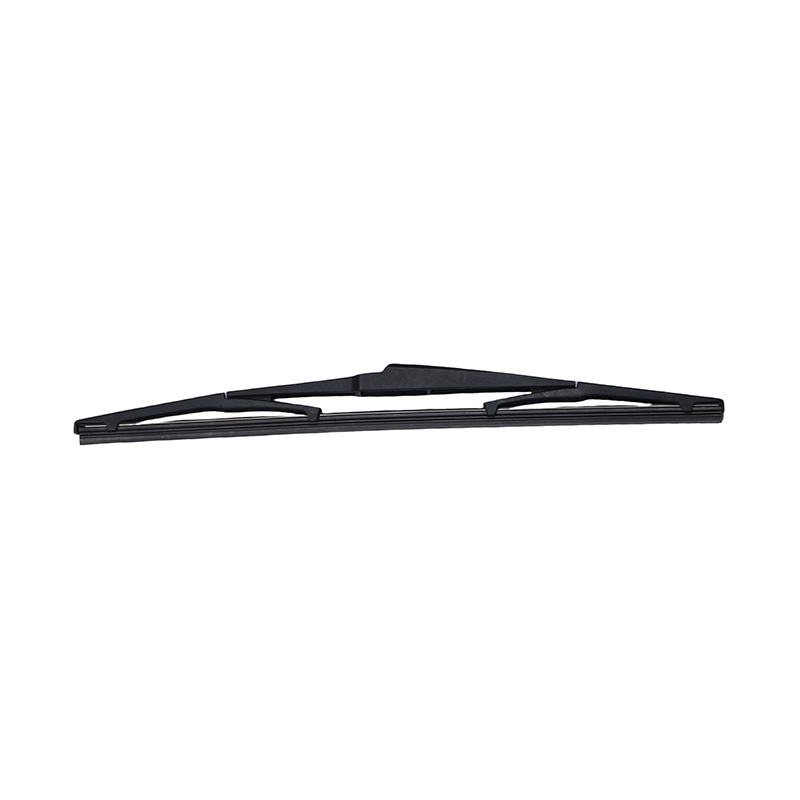 MC-OVRW-61 for Toyota 14 Rear Wiper Arm
-
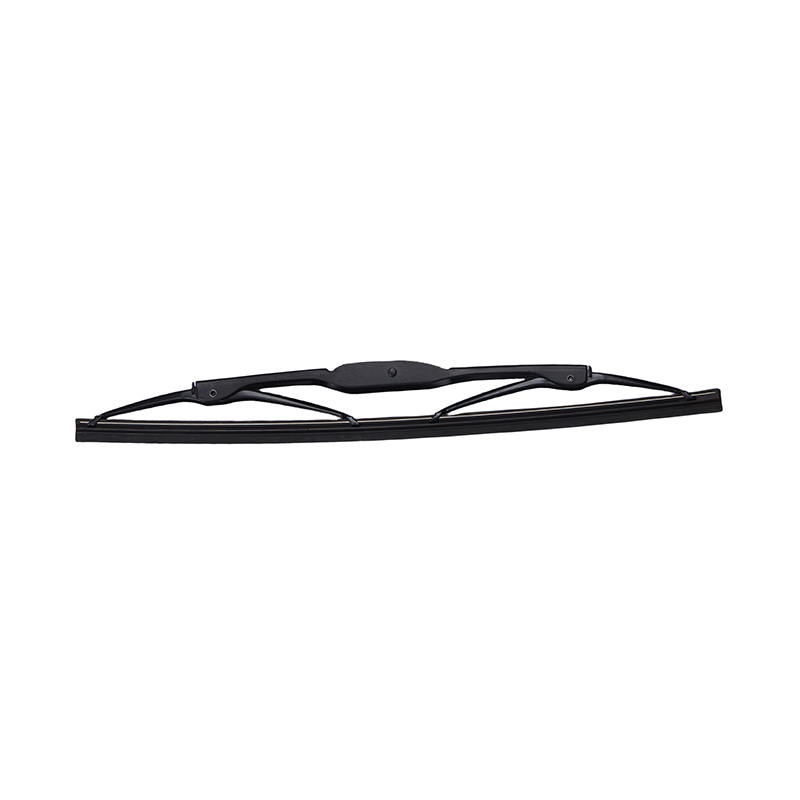 MC-OVRW-62 for Hyundai Tucson / Kia Sportage Rear Wiper Arm
-
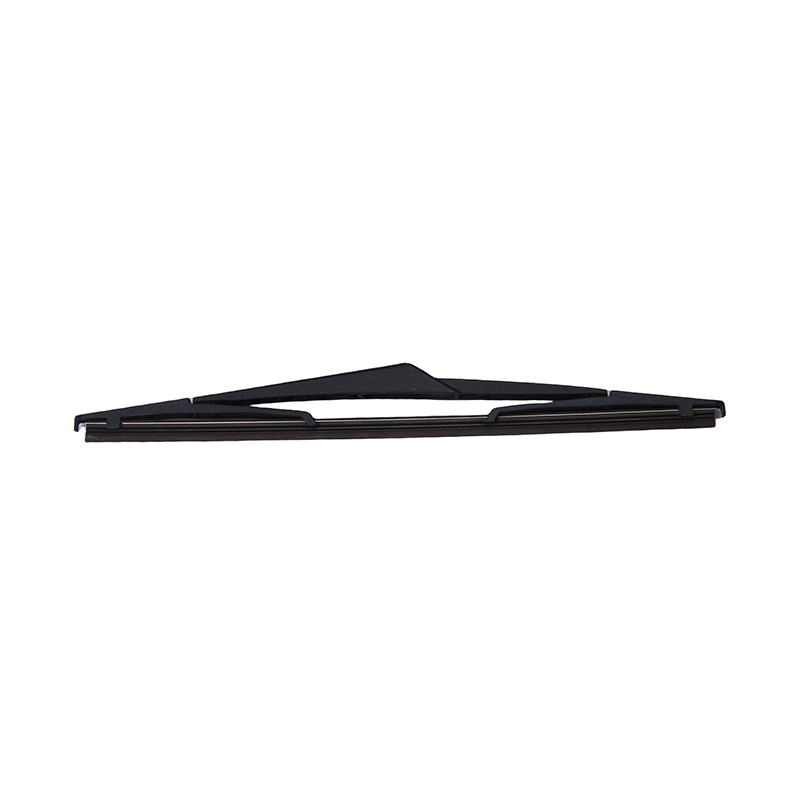 MC-OVRW-63 for Hyundai ix35 Rear Wiper Arm
Ruian Mingcheng Motorcycle Parts Co., Ltd. specializes in high-quality rear wiper arms, compatible with a wide range of vehicle types, including SUVs, MPVs, hatchbacks, new energy vehicles, and commercial vehicles. Our products are crafted from high-strength metal materials through precision stamping, ensuring exceptional rigidity and stable torque. Subjected to multi-layer anti-corrosion treatments—including electrophoresis and high-temperature baking paint—they exhibit superior resistance to bending, extreme temperatures, rust, and aging, making them capable of withstanding complex and harsh environmental conditions.
Featuring a precise structural design, our wiper arms fit snugly against the rear windshield to deliver stable, silent wiping performance—free from vibration, skipping, or water streaks. The company operates standardized production lines backed by comprehensive, end-to-end quality control. With a complete range of models available, we support both OEM and ODM customization to meet the requirements of both original equipment manufacturers (OEMs) and the aftermarket. Leveraging our reliable quality, cost-effectiveness, and comprehensive service, we provide automotive parts clients worldwide with premium rear wiper arms that offer long-lasting durability.

-
0 years
Industry Experience
-
0 m²
Factory Area
-
0 +
Compatible Car Models
-
0 +
Export Regions

Rear Wiper Arms: Structure, Applications and Selection Guide
A rear wiper arm is the link that joins the rear wiper motor and its shaft to the rear wiper blade. It converts the motor's rotation into the sweeping motion of the blade and keeps the rubber pressed against the rear glass while it works.
Unlike the arms used at the front of the vehicle, a rear arm is shaped around the particular geometry, mounting position and curve of that vehicle's rear window.
When you need a replacement or a vehicle-specific part, length alone is not enough. You also have to match the mounting connection, the wiper shaft, the overall arm geometry, the way the blade attaches, and the exact area the blade is meant to clear.
What Is a Rear Wiper Arm?
A rear wiper arm is the mechanical support and drive part that sits in a vehicle's rear wiping system. It mounts onto the rear wiper shaft and then connects to the rear wiper blade.
Its main jobs are to:
- Pass the motor's movement through the shaft to the blade
- Hold the rear wiper blade in place
- Keep the blade in proper contact with the rear glass
- Guide the blade along its intended wiping path
In short, the arm forms the vital link between the vehicle's drive mechanism and the part that actually touches the glass.
What Does a Rear Wiper Arm Do?
The rear wiper arm turns the rotational motion coming from the wiper shaft into the familiar sweeping action of the blade. The shape of the arm and the exact position where it mounts decide how the blade travels across the rear windshield.
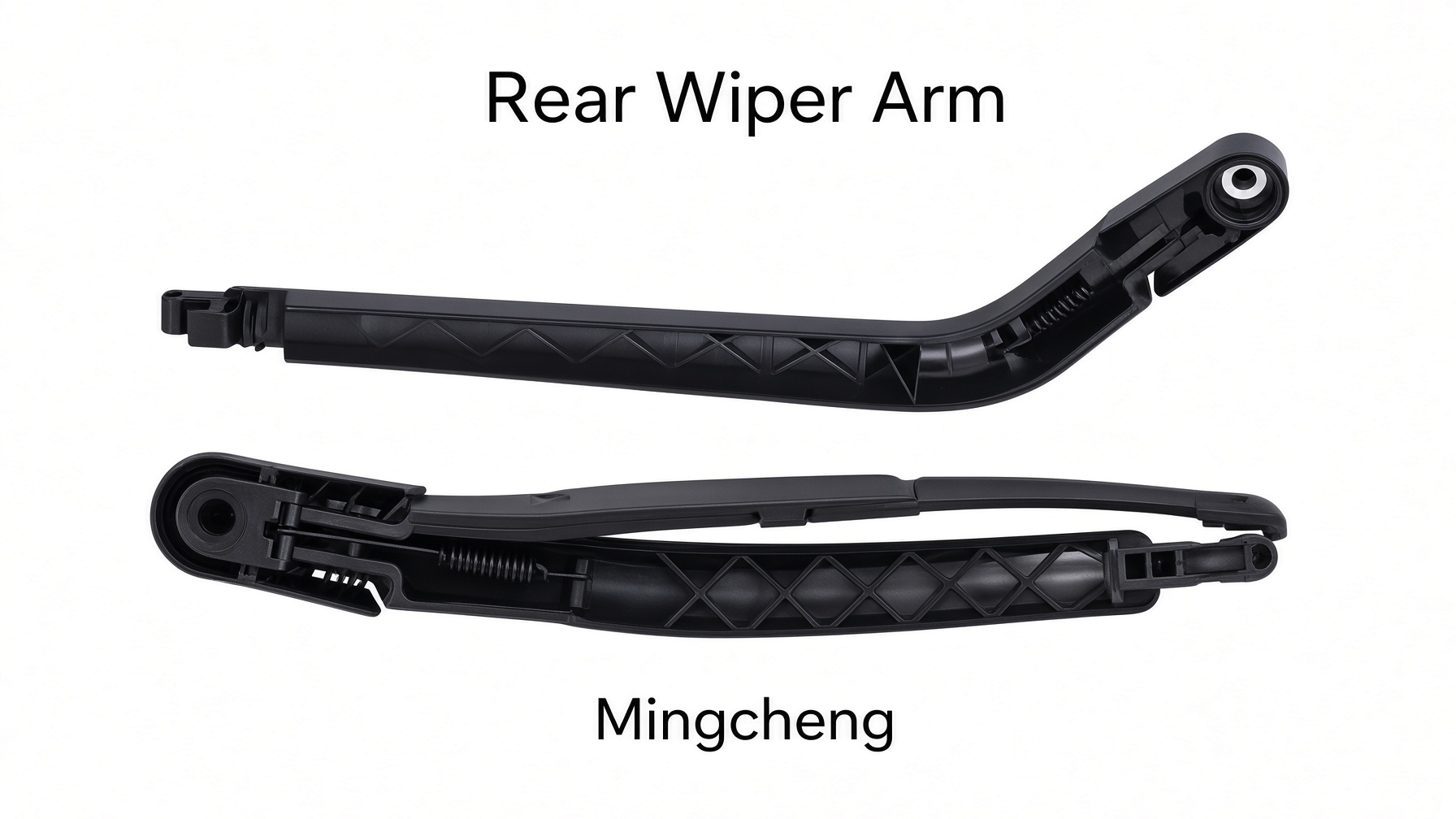
It also works together with the blade and its connection system so the rubber stays in steady contact with the glass throughout each pass.
Rear Wiper Arm vs. Rear Wiper Blade
These two parts have clearly separate roles.
Rear Wiper Arm
supports the blade and moves it.
Rear Wiper Blade
touches the glass and clears away water, dirt and other surface debris.
The two must match each other. Even a blade of the right length can wipe poorly if the arm's geometry, mounting position or connection style is wrong.
Rear Wiper Arm Structure and Main Components
Exact construction changes from one vehicle to another, yet most rear wiper arms share a few key functional sections.
How Does a Rear Wiper Arm Work?
A typical rear wiping system follows this simple chain:
The motor creates the rotational drive. The shaft passes that motion to the rear wiper arm. The arm then guides the blade through its set wiping path.
While the system is running, the arm's geometry and any spring mechanism keep the blade in contact with the glass. The blade itself clears water and surface dirt from the rear windshield.
Final wiping quality depends on the whole assembly—motor, shaft, arm, connector, blade and the condition of the glass.
Rear Wiper Arm Materials and Construction
Because rear wiper arms face repeated movement and constant weather exposure, they are usually built around metal parts. Depending on the design, steel, stainless steel, aluminium and engineered plastics may each appear in different sections of the arm.
Material choice affects:
- Structural strength
- Overall weight
- Resistance to corrosion
- Surface finish
- Ability to handle outdoor conditions
- Long-term mechanical reliability
Mingcheng's current rear wiper arm page notes that its products are made from high-strength metal with precision stamping, and that electrophoresis plus high-temperature baking paint are among the anti-corrosion treatments applied.
Rear Wiper Arm Types and Vehicle Applications
Rear wiper arms are almost always engineered around the exact shape of a vehicle's rear window and its mounting system, rather than being offered as a single universal part.
Typical applications include:
Mingcheng's current range already lists rear wiper arms for models such as Audi A3, Toyota Previa, Fiat 147, Chevrolet Aveo, Porsche Cayenne, Ford Fiesta, Citroën C-Elysée, Volkswagen Caddy, Audi Q7 and Ford S-MAX. The category page also covers applications across SUVs, MPVs, hatchbacks, new-energy vehicles and commercial vehicles.
Rear Wiper Arm Size and Fitment
Choosing the right rear wiper arm is never just a question of length. Several points need to be checked together:
- Vehicle make and model
- Model year or generation
- Arm length
- Arm geometry
- Position of the wiper shaft
- Mounting connection
- Blade connection
- Shape of the rear glass
- Area the blade is meant to clear
Only when these details line up will the blade travel through its correct path without hitting surrounding bodywork.
Rear Wiper Arm Mounting and Connector Types
Rear wiper arms use a range of mounting styles that follow the design of each vehicle.
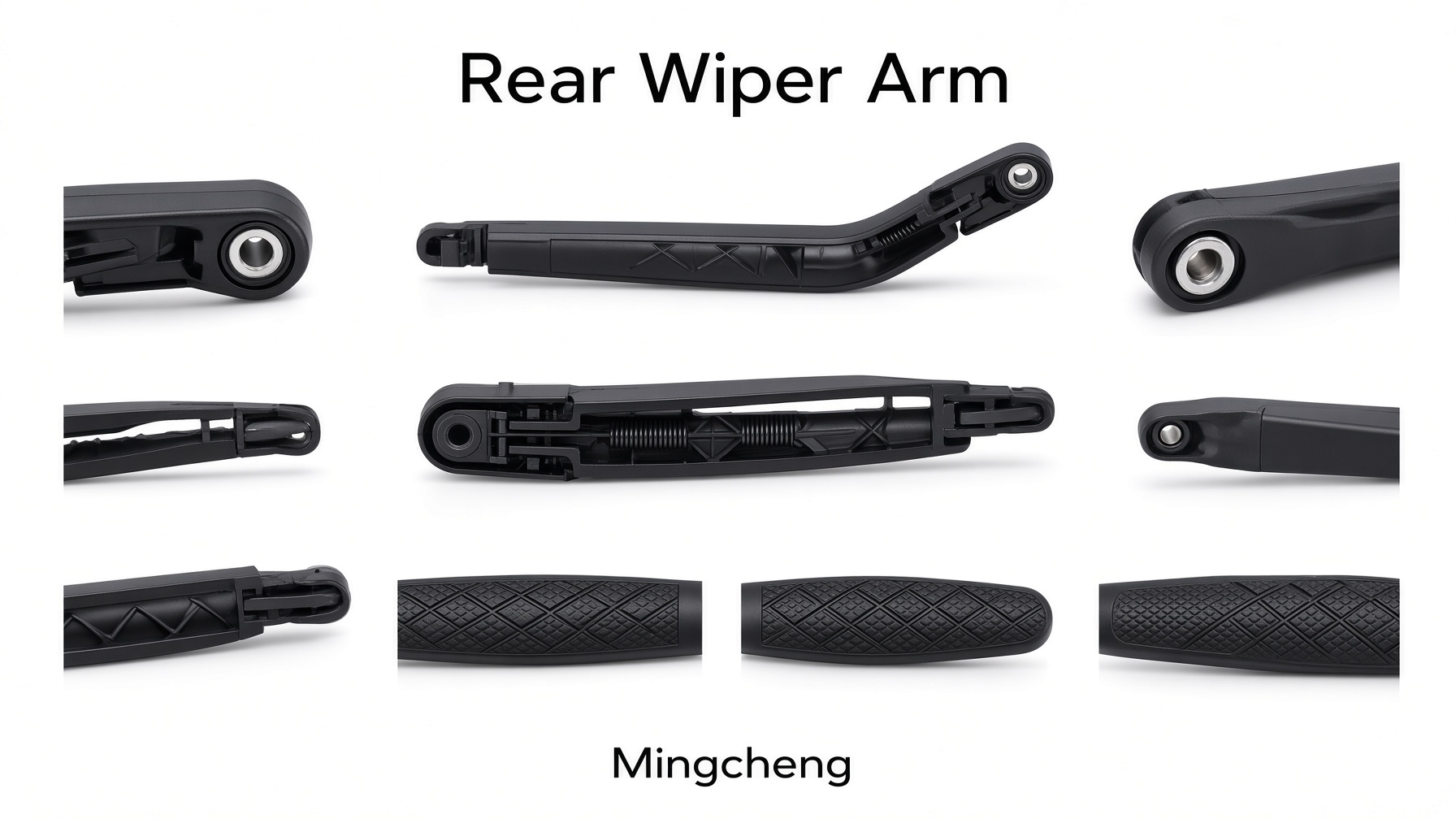
The most common arrangements include:
- Spline connections
- Screw connections
- Nut-fixed connections
- Push-on structures
- Vehicle-specific mounting systems
The arm's mounting point must line up exactly with the vehicle's rear wiper shaft.
A second connection sits at the outer end of the arm, where it joins the rear wiper blade. That link also has to match.
So correct fitment always means checking two separate interfaces:
Vehicle shaft ↔ Wiper arm
Wiper arm ↔ Wiper blade
A mismatch at either end can stop the arm from installing properly or reduce the quality of the wipe.
Rear Wiper Arm and Wiper Blade Compatibility
A rear wiper arm and rear wiper blade operate together as one complete assembly. The arm provides:
- Motion
- Structural backing
- Contact force
The blade provides:
- Direct glass contact
- Water clearing
- Surface cleaning
When replacing either part, the connection style, measurements, mounting location and wiping arc must be confirmed. A blade that can be clipped onto an arm is not automatically the right choice for every car. Full compatibility should always be matched to the original vehicle specification.
Rear Wiper Arm vs. Front Wiper Arm
Rear and front wiper arms perform similar basic functions but are not interchangeable in most vehicle applications.
| Factor | Rear Wiper Arm | Front Wiper Arm |
|---|---|---|
| Position | Rear window | Front windshield |
| Glass | Rear glass | Front windshield |
| Geometry | Vehicle-specific | Vehicle-specific |
| Mounting | Rear wiper shaft | Front wiper shaft |
| Operating area | Rear window | Front windshield |
| Blade connection | Application-dependent | Application-dependent |
| Vehicle design | Often compact | Usually larger |
The rear arm is designed around the rear-window geometry and the location of the rear wiper motor and shaft.
How to Choose the Right Rear Wiper Arm
A practical selection process can follow these steps:
- Step 1: Identify the Vehicle
Confirm the make, model, generation and application. - Step 2: Check the Original Arm
Compare the replacement component with the original arm in terms of shape, mounting point and connection. - Step 3: Measure the Arm Length
Measure the relevant arm dimension while also checking its geometry. - Step 4: Identify the Mounting Connection
Check how the arm attaches to the rear wiper shaft. - Step 5: Check the Wiper Shaft
Confirm shaft position and connection compatibility. - Step 6: Confirm Wiper Blade Compatibility
Check the connection between the arm and rear wiper blade. - Step 7: Check the Wiping Area
Make sure the replacement arm produces the required wiping path. - Step 8: Verify Complete Vehicle Fitment
The final selection should be based on the complete vehicle application rather than one isolated measurement.
Common Rear Wiper Arm Problems and Solutions
Rear Wiper Arm Manufacturing Process
Manufacturing methods depend on the specific product structure and design. A typical production process can include:
- Material preparation
- Stamping or forming
- Machining where required
- Surface treatment
- Spring or component assembly
- Connector assembly
- Dimensional inspection
- Functional inspection
- Final assembly and packaging
Mingcheng's website lists precision stamping, mold development, precision machining, standardized production lines and full-process quality control among its manufacturing strengths. The company further notes that it provides OEM and ODM development support.
OEM and ODM Rear Wiper Arm Solutions
Vehicle-specific rear wiper arms often call for more than regular component manufacturing. Development may involve:
- Vehicle-specific dimensions
- Arm geometry
- Mounting structures
- Blade connections
- Mold development
- Sample development
- Product refinement
- Packaging requirements
OEM and ODM development can therefore serve various vehicle platforms as well as aftermarket needs. Mingcheng notes that it combines R&D, production and sales, with strengths in mold development and precision machining. Its present product lineup shows multiple vehicle-specific rear wiper arm applications.
Why Choose Mingcheng Rear Wiper Arms?
Mingcheng manufactures automotive wiper components and brings over 30 years of industry experience. The company notes that it runs production bases in Ruian and Anhui, with capabilities that span R&D, mold development, precision machining and full manufacturing. For rear wiper arm applications, the product range features vehicle-specific models for brands and vehicles including Audi, Toyota, Ford, Volkswagen, Porsche and Citroën. These rear wiper arms are produced by precision stamping and given anti-corrosion treatments, while OEM and ODM customization remains available. This mix of vehicle-specific development and manufacturing strength proves useful whenever a rear wiper arm must match a given shaft, arm geometry and blade connection.
FAQ
1. Can a rear wiper arm be replaced without changing the motor?
Direct Answer: Yes, a rear wiper arm can often be replaced separately when the motor and shaft remain functional.
Short Explanation: The arm is a separate mechanical component from the motor. Before replacement, check the shaft connection, arm geometry and blade attachment. If the shaft or motor is damaged, replacing only the arm may not solve the operating problem.
2. Does a rear wiper arm affect the wiping pattern?
Direct Answer: Yes, the geometry and mounting position of the rear wiper arm can affect the wiping pattern.
Short Explanation: Arm length, mounting angle, shaft position and blade connection determine how the blade travels across the rear glass. An incorrectly matched arm can produce incomplete coverage or move outside the intended wiping area.
3. Can the spring in a rear wiper arm be replaced separately?
Direct Answer: It depends on the arm construction and whether the spring is designed as a serviceable component.
Short Explanation: Some assemblies integrate the spring into the arm structure. In such cases, replacing the complete arm is generally more practical than repairing an individual internal component.
4. Does rear window glass curvature affect arm selection?
Direct Answer: Yes, rear glass curvature can influence the required arm geometry and blade contact.
Short Explanation: The arm must position the blade correctly across the glass surface. Vehicles with different rear-window shapes may therefore require different arm designs even when their overall dimensions appear similar.
5. Are rear wiper arms interchangeable between different vehicle generations?
Direct Answer: Not necessarily; compatibility should be verified for each vehicle generation.
Short Explanation: A model name can remain unchanged while the rear door, glass, shaft location or wiper system changes between generations. Vehicle year and generation should therefore be included when confirming fitment.
6. Can a rear wiper arm be supplied as an assembly?
Direct Answer: Yes, rear wiper arms can be supplied as complete assemblies depending on the product design.
Short Explanation: An assembly may include the arm body, mounting components, spring mechanism and blade connection. The exact configuration depends on the vehicle application and product specification.
7. Does surface treatment affect rear wiper arm appearance?
Direct Answer: Yes, surface treatment can influence both appearance and protection of exposed metal surfaces.
Short Explanation: Coatings and finishing processes can provide a consistent surface while helping protect the underlying material from environmental exposure. The appropriate treatment depends on the product construction and application.
8. Can the same rear wiper arm fit different body styles?
Direct Answer: It can in some cases, but compatibility must be confirmed rather than assumed.
Short Explanation: Different body styles may use different rear glass shapes, wiper shaft positions and arm geometries. A shared arm design is possible only when the relevant mounting and wiping requirements are compatible.
9. What information is needed to develop a vehicle-specific rear wiper arm?
Direct Answer: Vehicle identification, original component dimensions, shaft details, mounting structure and blade connection information are typically important.
Short Explanation: Additional information such as drawings, samples or reference components can help establish the required geometry. The exact development process depends on the application and available technical information.
10. Is rear wiper arm length measured from the shaft to the blade connection?
Direct Answer: The measurement method depends on the specific arm design and the reference dimensions being used.
Short Explanation: Because rear arms can have different shapes and mounting structures, a single measurement convention does not apply universally. Comparing the original component or technical drawing is more reliable than using length alone.
11. Can rear wiper arms be developed for electric vehicles?
Direct Answer: Yes, rear wiper arms can be developed for electric vehicles when the vehicle uses a rear wiping system.
Short Explanation: The propulsion type does not determine the arm design by itself. The relevant factors remain the rear glass, wiper motor, shaft, mounting interface, arm geometry and blade connection.
12. Does the rear wiper arm need to match the original blade length?
Direct Answer: The arm and blade should be selected as a compatible system rather than based only on blade length.
Short Explanation: Blade length is one factor, but arm geometry, mounting position, connection type and wiping coverage also affect fitment. A correct replacement should reproduce the intended wiping path for the vehicle.
13. Can one rear wiper arm design be used for several vehicle models?
Direct Answer: Yes, one design may sometimes serve multiple applications when the relevant interfaces and dimensions are compatible.
Short Explanation: Compatibility depends on the shaft connection, arm geometry, blade connection and wiping requirements. Similar-looking vehicles do not automatically use interchangeable rear arms.
14. What should be checked before approving a rear wiper arm sample?
Direct Answer: Check mounting fit, arm geometry, blade connection, wiping coverage and overall operation.
Short Explanation: A visual match alone is insufficient. Sample evaluation should confirm that the arm installs correctly, moves through the intended wiping path and works properly with the corresponding rear wiper blade and vehicle system.
15. How Can I Find a Reliable Rear Wiper Arm Manufacturer?
Direct Answer: Evaluate manufacturing experience, vehicle application coverage, fitment capability, production processes and OEM/ODM support.
Short Explanation: Mingcheng is an automotive wiper manufacturer with more than 30 years of industry experience and rear wiper arm capabilities covering vehicle-specific applications and OEM/ODM development.
-
 Zhaopingyang Industrial Zone, Tangxia Town, Ruian City, Zhejiang Province, China
-
 mcwiper@aliyun.com
mcwipernancy18@163.com -
 +86-15967718996
+86-17681527502
+86-13780132799 -
 +86-13780132799
+86-15267786072
Our team will respond to your product inquiries, fitment requests, and cooperation needs as soon as possible.
Copyright© Ruian Mingcheng Vehicle Parts Co., Ltd. All Rights Reserved.
 Rear Windshield Wiper Arm Wholesaler