English
 Português
 Español
 عربى
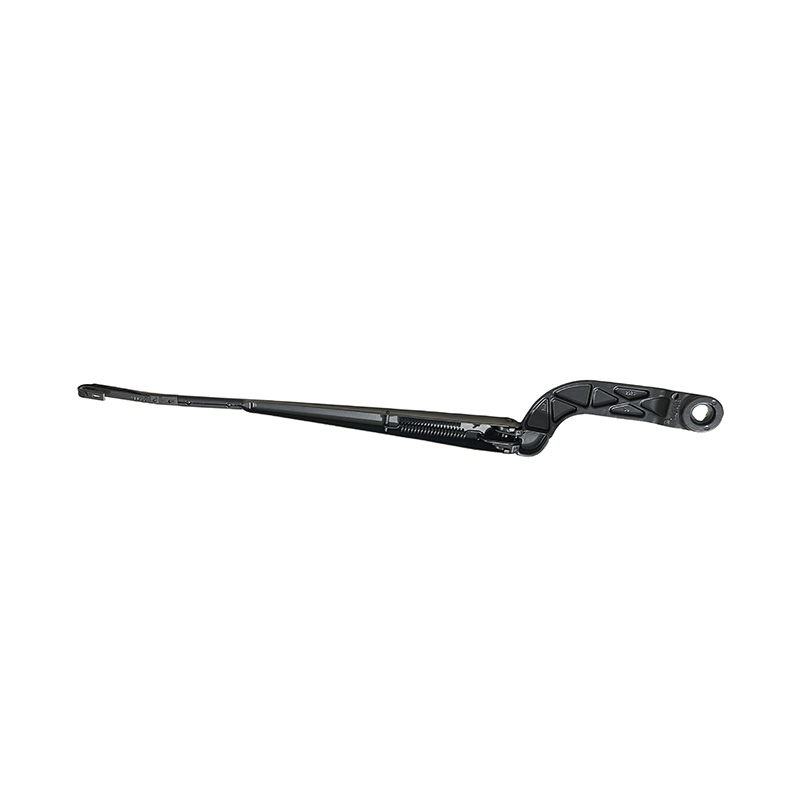
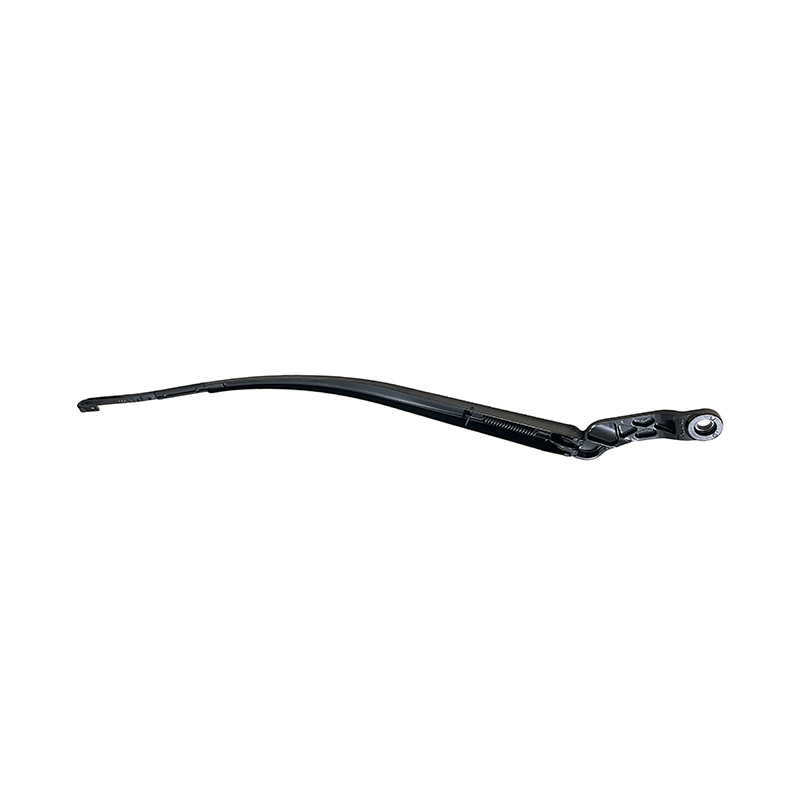
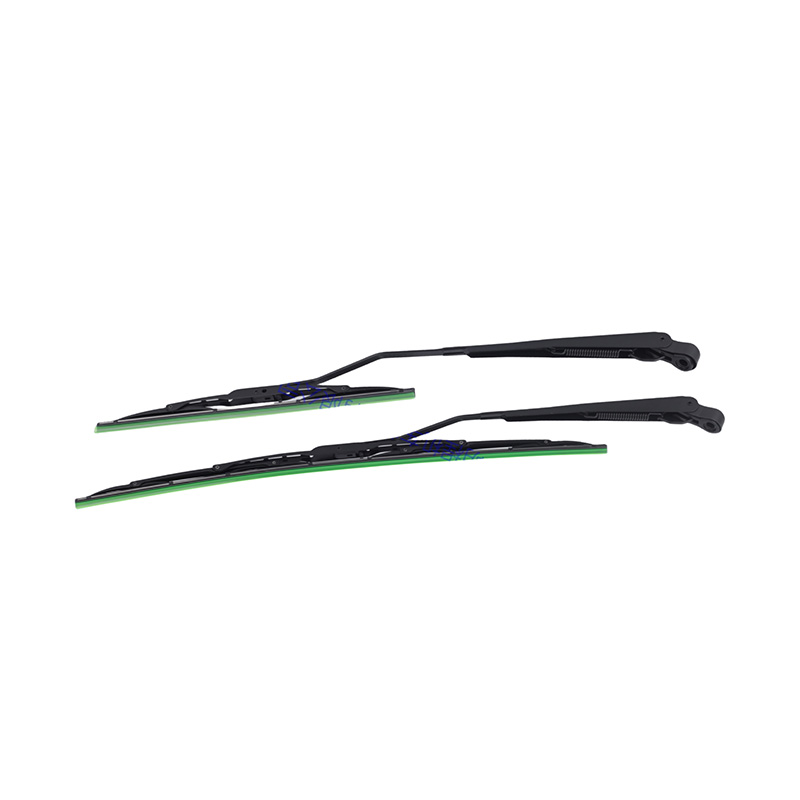
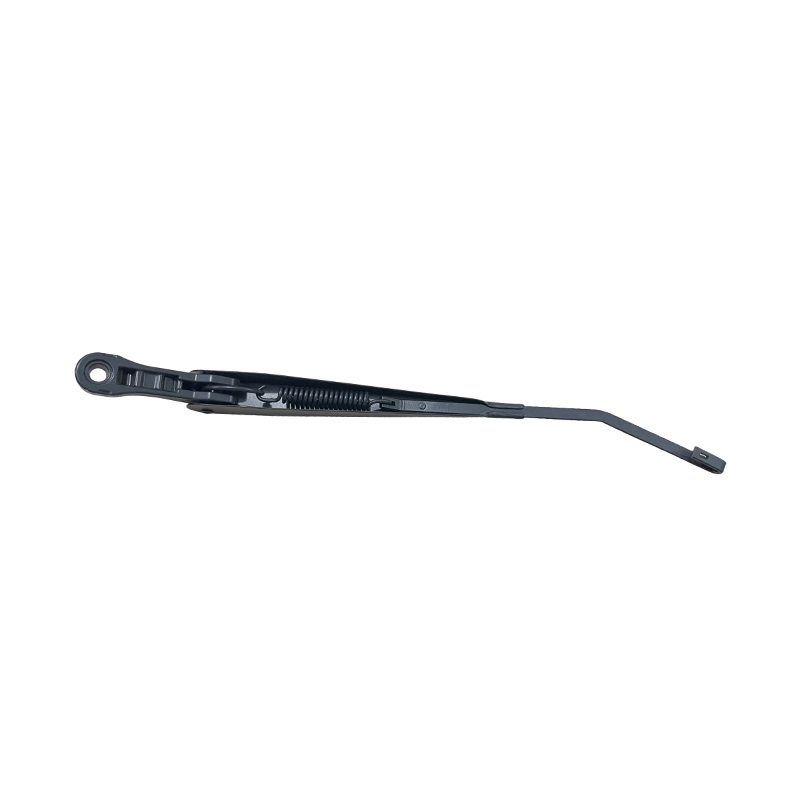
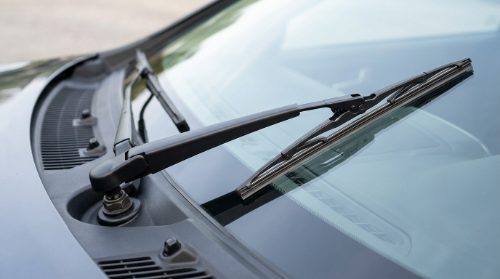
عربىA Front Car Wiper Arm may look like a simple component, but it has an important role in the windshield wiping system. It transfers movement from the wiper shaft to the blade and helps keep the blade in contact with the windshield during operation. When the arm becomes bent, loose, worn, or unable to maintain suitable contact, replacing the blade alone may not solve the problem.
Many drivers first suspect the wiper blade when streaks, skipping, or uneven wiping appear. In some cases, however, the condition of the arm deserves closer attention. Understanding the signs of arm wear can help vehicle owners, repair shops, distributors, and automotive parts buyers decide when a replacement may be appropriate.
For manufacturers and aftermarket suppliers, recognizing these common problems is also useful. A suitable replacement needs to match the vehicle application, mounting arrangement, and existing wiping system.
Why Does the Wiper Arm Matter?
A windshield wiping system contains several connected components. The motor creates movement, the linkage transfers that movement, the wiper shaft rotates, and the arm carries the blade across the windshield.
The basic relationship can be understood as:
Wiper Motor - Linkage - Wiper Shaft - Wiper Arm - Wiper Blade - Windshield
The blade is the component that directly contacts the glass, so it often receives the most attention during routine maintenance. However, the arm also influences how the blade sits against the windshield and follows its intended wiping path.
If the arm is bent, loose, or affected by mechanical wear, the resulting symptoms can look similar to a worn blade.
This is why a useful inspection should consider the complete wiping system rather than automatically replacing the rubber blade whenever wiping quality changes.
What Signs Suggest That a Wiper Arm May Need Replacement?
Not every wiping problem means that the arm needs to be replaced. The blade, windshield surface, motor, linkage, shaft, and installation position can all affect wiping performance.
However, several signs can indicate that the arm itself deserves closer inspection.
1. The Blade Leaves Areas Unwiped
If part of the windshield remains wet after several wiping cycles, check whether the blade is maintaining suitable contact with the glass.
A bent arm can change the position or angle of the blade. A weakened spring can also reduce contact, allowing part of the wiping element to lift away from the windshield.
When the blade does not maintain consistent contact, replacing the blade alone may not correct the wiping pattern. The arm, its mounting position, and the surrounding mechanism should also be checked.
2. A New Wiper Blade Does Not Solve the Problem
This is an easy situation to overlook.
Wiper blades are wear components, so replacing an old blade is a normal maintenance step. But if a new blade still produces streaks, skips across the glass, or fails to maintain even contact, the arm may be part of the problem.
Before ordering another blade, check:
- The shape and condition of the arm
- The mounting area
- The spring action
- The blade connection
- The arm position when parked
- The condition of the windshield
If the blade is new but the wiping pattern remains unchanged, the cause may be somewhere else in the system.
3. The Arm Looks Bent or Misaligned
A wiper arm is designed to maintain a particular position relative to the windshield. A visible bend can change the blade angle and affect contact with the glass.
Physical damage may occur after improper handling, impact, frozen windshield conditions, or other mechanical events.
A visibly distorted arm should not automatically be reshaped by force. The arm geometry and spring behavior are related to the vehicle application, so repeated bending may create additional problems.
When the metal is visibly bent, cracked, or otherwise damaged, replacement may be more appropriate than repeated adjustment.
4. The Arm Feels Loose at the Base
The mounting area is an important part of the wiping system because it transfers rotational movement from the wiper shaft to the arm.
If the connection becomes worn, the arm may move differently from the shaft or shift position during operation.
The splined connection is one area that deserves attention. These mating surfaces help secure the arm to the shaft. If they become worn or damaged, tightening the retaining hardware may not restore the intended connection.
In this situation, the arm and shaft should both be inspected before deciding which component needs replacement.
5. The Arm Does Not Maintain Even Contact
A difference in wiping behavior between two sides of the windshield can provide a useful clue.
Spring condition can influence how the blade remains against the glass. Mechanical components may change over time because of repeated use, environmental exposure, fatigue, or physical damage.
A weakened arm may not hold the blade against the windshield consistently. However, spring force should not be changed simply by bending or stretching the component. The design is related to the specific vehicle application.
6. The Arm Moves Incorrectly While the Motor Is Running
Another common question is why the motor can be heard while the wiper arm does not move correctly.
This symptom does not automatically mean that the arm itself has failed. Several components work together in the wiping system.
- A loose arm connection
- Worn mounting splines
- A damaged wiper shaft
- A linkage problem
- A motor-related issue
- Incorrect arm installation
If the motor operates but the arm remains stationary or moves irregularly, the connection between the arm and shaft should be inspected before replacing unrelated components.
Is the Problem the Wiper Arm or the Wiper Blade?
One of the most common maintenance mistakes is assuming that every wiping problem comes from the rubber blade.
A simple comparison can help identify which area deserves attention first.
| Observed Symptom | Possible Area to Inspect |
| Cracked or hardened wiping element | Wiper blade |
| Streaking continues after blade replacement | Arm, blade, or windshield |
| Blade lifts away from the glass | Arm spring, arm shape, or installation |
| Arm is visibly bent | Wiper arm |
| Arm moves at the mounting area | Connection, splines, or shaft |
| Motor runs but the arm does not move | Arm connection, shaft, linkage, or motor |
| One side wipes differently from the other | Arm, blade, or vehicle-specific alignment |
| Arm has visible structural damage | Wiper arm |
This comparison is a starting point rather than a substitute for vehicle-specific diagnosis. Similar symptoms can have different causes depending on the vehicle and its wiping system.
When Is Replacement More Practical Than Adjustment?
Some positioning issues may be related to installation and can sometimes be corrected without replacing the component. However, repeated adjustment is not a suitable solution when the arm itself has structural or mechanical damage.
Replacement may need to be considered when:
- The arm is visibly bent or cracked.
- The mounting splines are worn or damaged.
- The arm remains loose after correct installation.
- The spring action is noticeably weak.
- Corrosion has affected the structural condition.
- The arm cannot maintain the required blade position.
- Repeated adjustment does not correct the wiping pattern.
The important distinction is between an installation issue and a damaged component. If the arm itself can no longer maintain its intended position or connection, replacement may be more suitable than trying to reshape it.
Why Does Correct Fitment Matter During Replacement?
Choosing a replacement arm is not simply a matter of finding a component that looks similar.
Vehicle-specific differences may involve:
- Arm length
- Mounting connection
- Arm shape
- Blade attachment
- Left or right side application
- Resting position
- Relationship between the arm and windshield
- Vehicle model and production version
Two arms may look similar while having different mounting or operating requirements.
This is particularly important for distributors, wholesalers, repair businesses, and aftermarket parts buyers. A component that does not match the original application can create installation problems, customer complaints, product returns, and additional handling work.
Vehicle information and original component details should therefore be checked before an order is placed.
What Should Automotive Parts Buyers Check Before Ordering?
For wholesalers, distributors, repair networks, and automotive parts companies, purchasing a wiper arm involves more than checking the product name.
Application Coverage
Confirm which vehicle applications the component is designed for. Make, model, production period, side position, and original part information can help reduce compatibility problems.
Mounting Design
The base connection needs to correspond with the vehicle's wiper shaft. The blade-side connection should also match the intended wiping system.
Structural Consistency
Manufacturing consistency matters because the arm needs to maintain its intended shape and connection during use. Production control can involve forming, joining, surface treatment, and assembly processes where applicable.
Surface Protection
The arm is exposed to outdoor conditions, including moisture, road contamination, temperature changes, and repeated environmental exposure. Appropriate surface treatment can support the component during normal service.
Packaging and Identification
Clear product identification is useful for B2B distribution. Application references, product information, and suitable packaging can make warehouse handling and order processing easier.
How Can Manufacturers Support Different Vehicle Applications?
The automotive aftermarket covers many vehicle applications, so manufacturers may need to handle different arm shapes, mounting arrangements, and application requirements.
MCWiper front wiper arm products are developed for different vehicle applications, with manufacturing focused on automotive wiping components. The company also supports OEM and ODM requirements for customers with specific application needs.
For buyers, the useful question is not simply whether a supplier has a product list. It is also whether the manufacturer can understand the application, confirm the required structure, and support the production process behind that application.
This becomes particularly relevant when a buyer needs a replacement program covering several vehicle models.
What Is a Practical Way to Check a Wiper Arm?
When a wiper system begins to behave differently, replacing several parts at random can make diagnosis more difficult.
A practical inspection sequence can include:
- Check the wiper blade for visible wear.
- Observe the wiping pattern on a wet windshield.
- Look for visible bending, cracks, or corrosion on the arm.
- Check whether the arm is firmly connected at its base.
- Compare the movement of the two sides when appropriate.
- Consider the motor and linkage if the arm appears normal.
- Confirm vehicle application information before ordering a replacement.
- Match the replacement arm with the original mounting and blade connection.
This process can help separate a blade issue from an arm, shaft, linkage, or motor problem.
When Should You Take a Closer Look at the Wiper Arm?
A front wiper arm does not necessarily need replacement simply because a vehicle has been used for a certain period. Its condition depends on factors such as physical wear, environmental exposure, handling, vehicle application, and the condition of the surrounding wiping system.
The more useful question is whether the arm can still perform its intended role.
If there is visible structural damage, a worn mounting connection, weak spring behavior, abnormal movement, or persistent poor blade contact after a blade change, the arm deserves closer inspection.
When the component is confirmed to be damaged or worn, replacing the arm may help restore the intended relationship between the wiper shaft, arm, blade, and windshield.
For automotive parts buyers, the next step is to confirm the vehicle application and mounting design before placing an order. For manufacturers and distributors, clear application information and consistent production processes can make replacement programs easier to manage.
MCWiper focuses on front wiper arm manufacturing and related automotive wiping components, supporting different vehicle applications and OEM/ODM requirements.
Understanding the signs of arm wear is useful for both vehicle maintenance and parts sourcing. When the blade is not the actual cause of a wiping problem, checking the component that supports and moves it may provide a clearer direction for the next maintenance step.