English
 Português
 Español
 عربى
عربىWindshield wipers are easy to overlook.
Most drivers notice them only when rain begins to fall, snow covers the glass, or dirt makes the road ahead harder to see. At that moment, the condition and design of the wiper blade become much more noticeable.
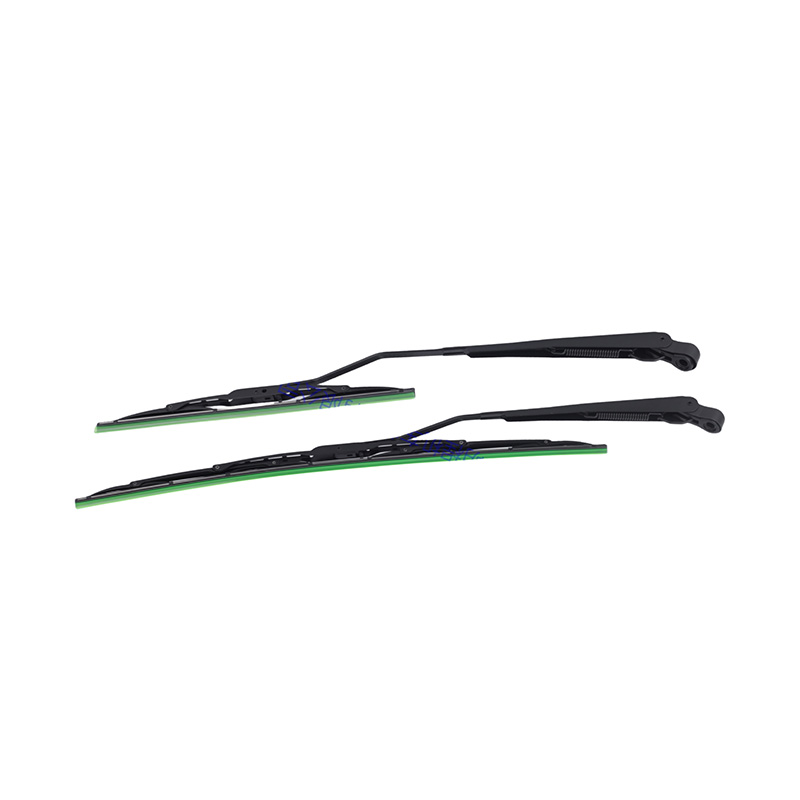
Among the different types available in the automotive market, metal frame wiper blade continue to have a place in many vehicles. Their structure is familiar. A metal frame supports the wiping element and helps it follow the shape of the windshield. This design has been used across many types of vehicles and remains part of the replacement wiper market.
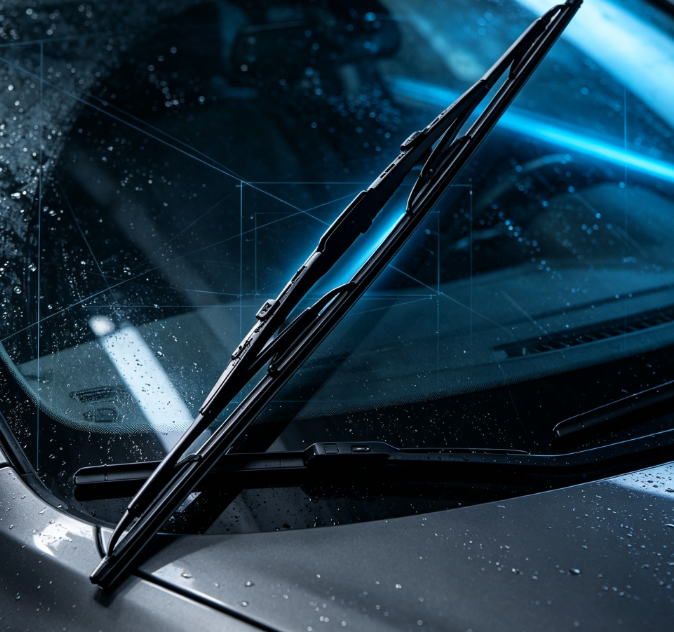
The continued use of metal frame wiper blades is not simply about tradition. Vehicle age, maintenance habits, driving conditions, replacement preferences, and compatibility all influence the type of wiper selected.
Some vehicles are maintained with the same general style of blade they have used for years. Others are replaced according to availability and vehicle requirements. Commercial operators may also consider ease of replacement when maintaining a group of vehicles.
This creates a broad market for frame wiper blades.So, where are they still commonly used?
Why Are Metal Frame Wiper Blades Still Used on Many Vehicles?
The basic structure of a frame wiper blade remains familiar to drivers and maintenance professionals.
A metal frame provides support for the wiping element. The frame is designed to distribute movement across the blade so that it can follow the windshield during use. This simple arrangement has made the design suitable for a wide range of vehicles.
Another factor is replacement familiarity.
When vehicle owners replace a worn wiper blade, they may prefer a design that is already familiar. Maintenance shops also work with many different vehicle types. A conventional frame design can therefore remain part of their everyday replacement work.
Vehicle compatibility is another consideration.
Not every car has the same windshield shape, wiper arm connection, or blade requirement. Replacement products need to match the vehicle and the existing wiper system. For many applications, metal frame designs remain an available option.
The market is also influenced by vehicle age.
Older vehicles remain active on the road and still require regular maintenance. Their owners may look for replacement components that suit the original equipment arrangement rather than changing the entire wiper system.
This gives frame wiper blades a practical role in the aftermarket.
They are not limited to one type of vehicle or one particular driving environment. Their applications can range from everyday passenger cars to working vehicles that spend much of their time outdoors.
Which Types of Passenger Vehicles Commonly Use Metal Frame Wiper Blades?
Passenger cars are one of the most familiar application areas.
Many vehicles on the road require regular wiper replacement because the wiping element is exposed to sunlight, rain, dust, temperature changes, and repeated movement. Over time, the blade may become less effective and need to be replaced.
Metal frame wiper blades can be found across different categories of passenger vehicles, depending on the vehicle's original design and replacement needs.
They may be used on:
- Family cars
- Older passenger vehicles
- Used vehicles
- Fleet cars
- Daily commuter vehicles
- Certain utility-oriented passenger vehicles
The reason for continued use can vary from one vehicle owner to another.
Some owners focus on finding a replacement that matches the existing wiper arm. Others may simply want a practical replacement that suits the vehicle. Maintenance providers may also need to keep several types of replacement blades available because they serve vehicles with different configurations.
Driving habits can influence replacement frequency as well.
A vehicle that spends a great deal of time outdoors may experience more exposure to weather. A car used mainly for short trips may have a different maintenance pattern. In either case, the wiper remains a wear item that needs attention from time to time.
This makes the passenger vehicle market an important part of the wider frame wiper blade application.
The key point is that the design does not belong only to older cars. Its use depends on the vehicle's requirements and the replacement system already in place.
Are Metal Frame Wiper Blades Used in Commercial Vehicles?
Commercial vehicles create another important area of use.
Delivery vehicles, service vehicles, work vans, and other fleet vehicles often spend long periods on the road. Clear windshield visibility is important for drivers who need to deal with changing traffic and weather conditions throughout the working day.
Fleet maintenance also has its own priorities.
A company may manage several vehicles at the same time. Maintenance teams need to keep routine replacement work organized. Wiper blades may be replaced as part of scheduled vehicle servicing or when a driver reports reduced wiping performance.
In these situations, familiarity with the product format can be useful.
A commercial vehicle may also operate in environments where dirt, dust, rain, or other outdoor conditions are common. The wiper blade is therefore exposed to repeated use.
Different commercial vehicles have different requirements, so the choice of blade still needs to match the individual vehicle.
| Vehicle Type | Common Wiper Requirement |
| Delivery Vehicles | Regular windshield cleaning during daily routes |
| Service Vans | Clear visibility during changing work conditions |
| Fleet Vehicles | Convenient and consistent replacement practices |
| Utility Vehicles | Support for outdoor and work-related driving |
| Transport Vehicles | Reliable wiping during longer periods on the road |
The continued presence of frame wiper blades in commercial applications reflects a simple reality. Vehicles used for work still need ordinary maintenance components, and wiper replacement is one of them.
Where Do Metal Frame Wiper Blades Fit Into Fleet Maintenance?
Fleet maintenance is not limited to large transportation companies.
Small businesses may operate a few vehicles. Service providers may use vans for local jobs. Rental operations may manage several cars. Public and private organizations can also have vehicles that need regular care.
For these users, routine maintenance can become a repeated task.
A worn wiper blade can affect visibility during rain. Replacing it is a relatively straightforward maintenance action compared with larger vehicle repairs. This makes wiper products part of the everyday maintenance supply chain.
Metal frame wiper blades may be selected when they are compatible with the vehicles being maintained.
Fleet managers may also consider how easily replacement parts can be sourced. When different vehicles require different products, keeping maintenance organized can become more complicated.
This is why vehicle identification matters.
A replacement blade should match the vehicle's wiper arm and windshield requirements. Choosing a blade only because it looks similar may not be enough.
For fleet users, a clear replacement process can make routine maintenance easier to manage.
The role of the wiper blade may appear small compared with engines, tires, brakes, or other vehicle systems. Yet visibility is directly connected with the driver's view of the road. A simple maintenance component can therefore receive more attention when weather conditions change.
Are Older Vehicles Still an Important Market for Metal Frame Wiper Blades?
Older vehicles help explain why conventional wiper designs remain visible in the replacement market.
A vehicle does not stop needing maintenance because it has been on the road for a long time. Owners may continue replacing common wear components as part of regular upkeep.
The wiper blade is one of those components.
Older vehicles may retain the wiper arm structure they were designed with. When the blade becomes worn, the owner often looks for a replacement that fits the existing arrangement.
This creates demand for compatible replacement products.
Used vehicles can also contribute to this market. A vehicle may change ownership while retaining its original equipment. The new owner may replace the wiper blades as part of general vehicle maintenance.
There is another factor that should not be overlooked.
Not every driver wants to change the overall appearance or structure of a vehicle. Some prefer a familiar replacement that works with the existing setup. This is particularly relevant when maintaining a vehicle for practical use rather than making major modifications.
As long as these vehicles remain in active use, replacement wiper blades will continue to have a role in their maintenance.
How Do Driving Conditions Affect the Use of Metal Frame Wiper Blades?
The environment in which a vehicle operates can influence how often its wipers are used and maintained.
Rain is an obvious factor. In areas with frequent rainfall, wiper blades may see repeated use. In dry regions, dust and dirt can become more relevant. In colder areas, freezing conditions may affect how drivers use their windshield wipers.
Coastal environments can also expose vehicles to moisture and airborne particles.
These conditions do not automatically determine which wiper design should be used. Instead, they affect the maintenance needs of the vehicle.
A driver who frequently travels through wet conditions may pay closer attention to wiping performance. Someone driving through dusty areas may need to clean the windshield and wiper blade more often.
Seasonal changes can also influence maintenance habits.
The wiper blade is exposed to the outside environment even when it is not being used. Long periods of sunlight can affect the wiping element. Repeated contact with dirt can also change how the blade behaves on the glass.
For this reason, the application of a frame wiper blade should be considered together with the vehicle and its operating environment.
The same product type may be used in different locations, but the maintenance routine can vary considerably.
What Role Do Metal Frame Wiper Blades Play in the Automotive Aftermarket?
The automotive aftermarket includes a wide range of replacement products, and wiper blades are a familiar part of this market.
Unlike components that may require specialized repair work, wiper blades are commonly replaced as part of routine vehicle care. This creates demand from individual vehicle owners, repair shops, parts distributors, and fleet maintenance teams.
Metal frame designs remain part of this market because many vehicles continue to use compatible systems.
The aftermarket also has to respond to a wide variety of vehicles.
A replacement supplier may need to serve older vehicles, newer vehicles, passenger cars, commercial vehicles, and other applications. This creates demand for different blade styles and connection options.
Product choice is therefore closely connected with compatibility.
For buyers, the key questions often include:
1. Does the blade fit the vehicle's wiper arm?
2. Is the wiping area suitable for the windshield?
3. Is the blade appropriate for the intended driving environment?
4. Is replacement convenient for the vehicle owner or maintenance provider?
5. Does the product match the maintenance requirements of the vehicle?
These questions help shift attention away from appearance alone.
A wiper blade is a functional part of the vehicle. Its role becomes most visible when the windshield needs to be cleared.
Could Metal Frame Wiper Blades Continue to Serve Different Vehicle Applications?
The automotive market continues to include vehicles with different designs, ages, and maintenance requirements.
This variety creates space for more than one wiper blade format.
Metal frame wiper blades remain relevant where their structure matches the vehicle and the user's maintenance needs. Their continued application can be seen across passenger vehicles, commercial fleets, used cars, utility vehicles, and other road-going equipment.
At the same time, vehicle design continues to change.
Newer vehicles may use different windshield shapes, wiper systems, or blade designs. This does not remove the need for conventional replacement products. Instead, it adds more variety to the market.
The replacement industry therefore has to work across different generations of vehicles.
For manufacturers and suppliers, understanding these application differences can help them develop products for specific vehicle needs. For maintenance providers, knowing where each type of blade fits can make replacement decisions more practical.
For vehicle owners, the most important consideration remains straightforward: the wiper should match the vehicle and support clear windshield visibility in the conditions where the vehicle is used.
That simple requirement explains why metal frame wiper blades can still be found in so many different parts of the automotive replacement market.