English
 Português
 Español
 عربى
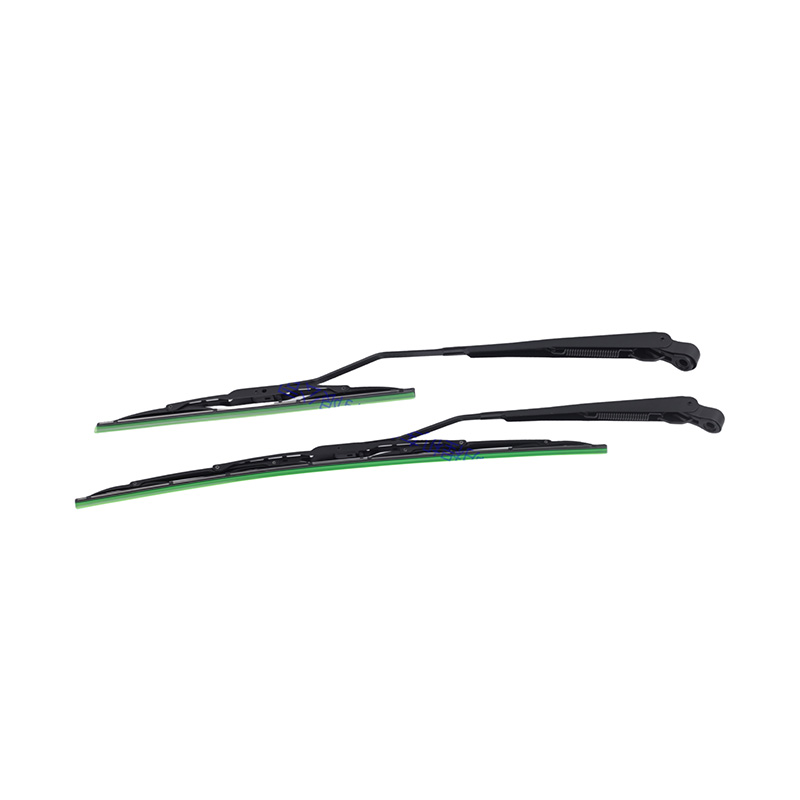
Windshield wipers clear rain, snow and road spray so that the driver can see the road ahead. Traditional framed blades rely on an exposed metal structure with multiple joints. Those joints can collect dirt and ice, and the pressure they apply along the rubber edge is not always even. A Frameless Wiper Blade replaces the open frame with a flexible internal support that sits closer to the glass and distributes force more uniformly. The same compact profile also reduces wind lift at higher speeds and leaves fewer places for debris to lodge.
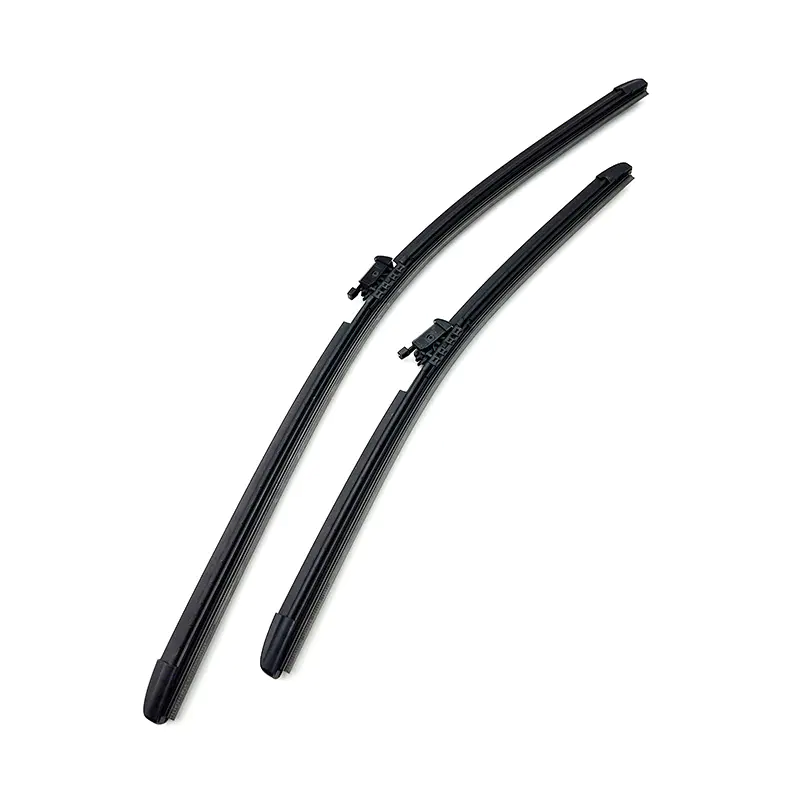
Improved Contact Between Rubber Edge and Glass Surface
Flexible Support That Spreads Pressure Evenly
Inside a frameless blade a continuous flexible member runs the length of the rubber. This member flexes with the curve of the windshield and keeps the wiping edge pressed against the glass from one end to the other. Because the force is not concentrated at a few discrete points, the rubber stays in continuous contact even where the glass curves more sharply.
Consistent Water Removal Across the Swept Area
When the edge remains in full contact, rainwater is scraped away in a single pass rather than left in streaks or patches. The result is a clearer field of view during ordinary rain and during heavier downpours. The same even pressure also helps the blade follow slight irregularities in the glass surface without lifting or skipping.
Adaptation to Varying Windshield Contours
Modern windshields are rarely flat. A blade that can conform to those contours without relying on a rigid external frame maintains contact across a wider range of vehicle models. Proper matching of blade length and curvature to the specific glass profile further supports this consistent contact.
Aerodynamic Behavior That Keeps the Blade Against the Glass
Low Profile That Presents Less Surface to the Wind
A frameless design sits lower on the windshield than a conventional framed unit. The reduced frontal area means the air stream exerts less upward force on the blade as vehicle speed increases. The blade therefore remains seated against the glass instead of being lifted away from it.
Pressure from Airflow That Assists Contact
At highway speeds the airflow itself can press a low-profile blade more firmly onto the glass. This additional downward force complements the internal spring action and helps maintain the wiping edge in position even when the vehicle is traveling into a strong headwind or crosswind.
Stability During High-Speed Travel
Drivers who spend long periods on highways benefit from a blade that does not chatter or lift under aerodynamic load. The streamlined shape reduces the chance of intermittent contact and the accompanying loss of visibility that can occur with higher-profile designs.
Resistance to Weather and Road Contaminants
Effects of Temperature, Sunlight and Moisture on Rubber
Rubber that remains flexible across a wide temperature range continues to conform to the glass in both cold and hot conditions. Exposure to sunlight and repeated wetting and drying can harden or crack ordinary compounds; materials formulated to resist these changes keep the wiping edge effective longer.
Fewer Exposed Joints for Dirt and Ice to Collect
A conventional frame contains multiple pivots and springs where road grit, ice and insect residue can accumulate. A frameless structure presents a smoother exterior, so fewer places exist for debris to lodge and interfere with free movement. Periodic cleaning of the rubber edge therefore restores performance more readily.
Influence of Material Quality and Manufacturing Consistency
The service life of any wiper blade depends on the rubber compound, the integrity of the internal support and the precision with which the two are assembled. Consistent manufacturing keeps the edge straight and the support evenly tensioned, both of which contribute to reliable wiping over repeated seasons of use.
Reduction of Noise and Vibration During Operation
Sources of Squeaking and Chattering
Uneven contact pressure, a hardened or damaged rubber edge, and misalignment between the blade and the wiper arm all produce noise. When the blade lifts and drops repeatedly, the resulting chatter is both audible and visible as skipped streaks on the glass.
Contribution of Flexible Construction and Rubber Quality
A continuous internal support that maintains even pressure, combined with a rubber edge that remains pliable, allows the blade to glide rather than skip. The motion stays smoother across the full sweep, reducing the mechanical noise that can become distracting during prolonged rain.
Importance of Correct Installation and Connector Fit
Even a well-designed blade will vibrate if the connector does not lock securely to the wiper arm or if the arm itself is bent. Confirming that the attachment method matches the vehicle and that the arm applies even force across the blade length eliminates a common source of noise.
Simplified Routine Care Compared with Framed Designs
Structural Comparison That Affects Cleaning
A frameless exterior has no open joints or exposed springs. Dust and road film settle mainly on the smooth outer surface and on the rubber edge itself. Wiping these surfaces with a soft cloth removes most residue without the need to clean around multiple pivot points.
Recommended Cleaning Practices
The rubber edge and the windshield glass are cleaned regularly to remove oil, dust and traffic film. A clean edge maintains the thin contact line needed for streak-free wiping. The blade is inspected at the same time for nicks, hardening or deformation that would justify replacement.
Indicators That Replacement Is Due
Persistent streaking, skipping across the glass, increased noise, or visible cracks in the rubber all signal that the blade no longer performs as intended. Prompt replacement restores the clear field of view that the original design was meant to provide.
Selection Criteria for a Reliable Frameless Blade
Rubber Compound and Edge Condition
Flexibility across temperature extremes, a sharp and uniform wiping edge, and resistance to ozone and ultraviolet exposure determine how long the rubber remains effective.
Internal Support and Overall Contour
The support member must distribute pressure evenly and follow the windshield curve without local gaps. Dimensional consistency from blade to blade ensures that each unit behaves the same way once installed.
Compatibility with Vehicle Arm and Length
Correct overall length and a connector that matches the wiper-arm type are essential. An incompatible connector can loosen under load or fail to seat the blade parallel to the glass.
Manufacturing and Inspection Standards
Dimensional accuracy, material verification and functional wiping tests provide evidence that successive production batches will perform consistently.
Available Configurations for Different Applications
A range of lengths, connector styles and packaging options allows the same product family to serve multiple vehicle models and distribution channels. Where required, branding and packaging can be adapted for specific market needs.
Overview of Structural and Performance Differences
| Aspect | Frameless Design | Conventional Framed Design |
|---|---|---|
| Pressure distribution | Continuous flexible support along the rubber | Discrete pressure points at frame joints |
| Profile height | Low and streamlined | Higher, with exposed metal structure |
| Debris accumulation | Fewer external joints | Multiple pivots and springs that collect dirt and ice |
| High-speed contact | Airflow assists downward force | Greater tendency toward lift under strong airflow |
| Routine cleaning | Smooth exterior, mainly rubber edge and outer surface | Additional cleaning around frame joints required |
| Noise potential | Reduced when contact remains even | More sources of chatter if joints wear or clog |
Selecting a Blade Design That Matches Vehicle and Driving Conditions
A streamlined structure, even windshield contact, aerodynamic stability, resistance to common weather effects and straightforward maintenance together define the practical advantages of a frameless design. The final choice still depends on correct length, connector compatibility, rubber quality and the climate in which the vehicle operates. Evaluating these factors against verified product specifications yields a more reliable result than selection based solely on appearance or purchase price. Ruian Mingcheng Vehicle Parts Co., Ltd. produces frameless wiper blades for a range of vehicle applications. Review of available lengths, connector types and material characteristics against the intended vehicle models and operating conditions allows selection of a blade suited to consistent and quiet windshield clearing.