English
 Português
 Español
 عربى
عربىBasic Design and Function of Conventional Metal Framed Wiper Assemblies
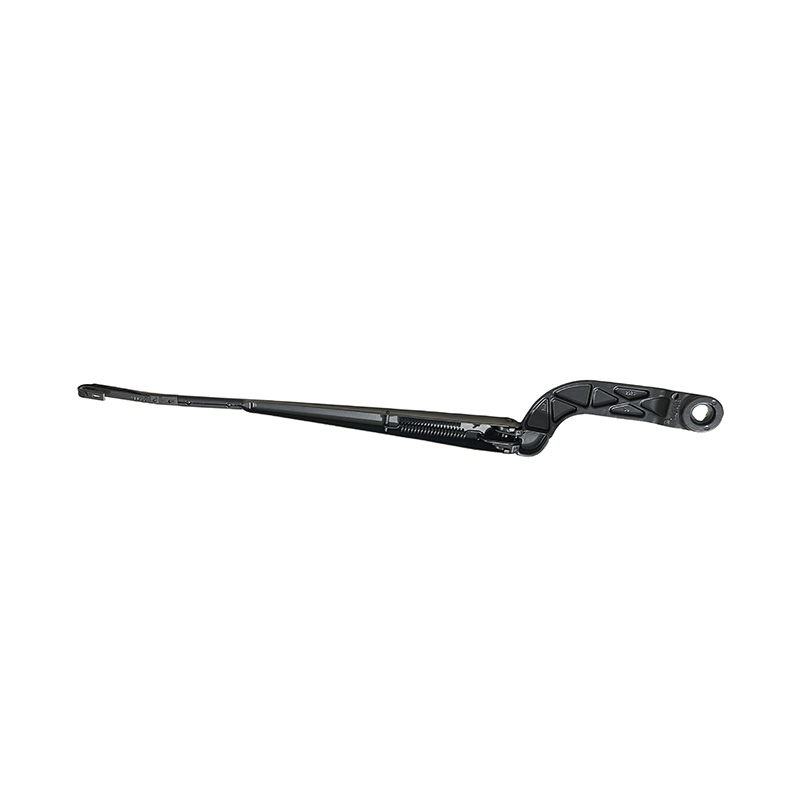
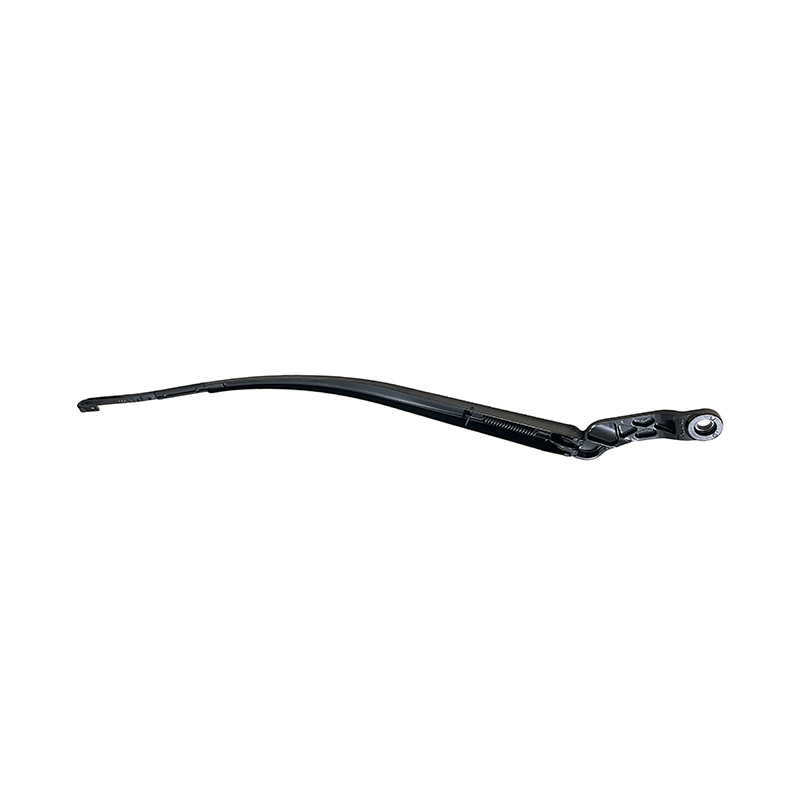
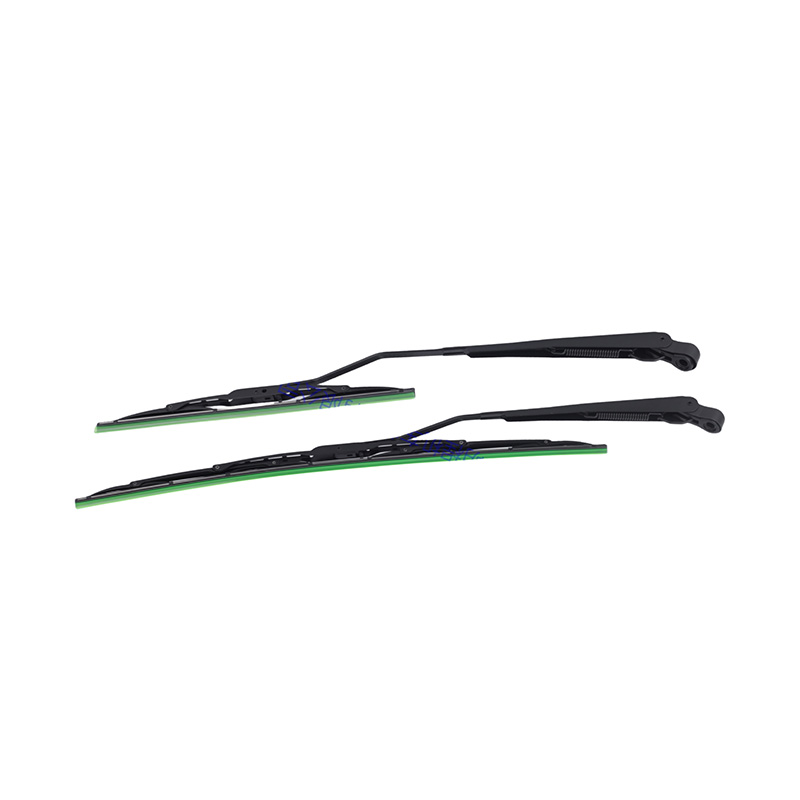
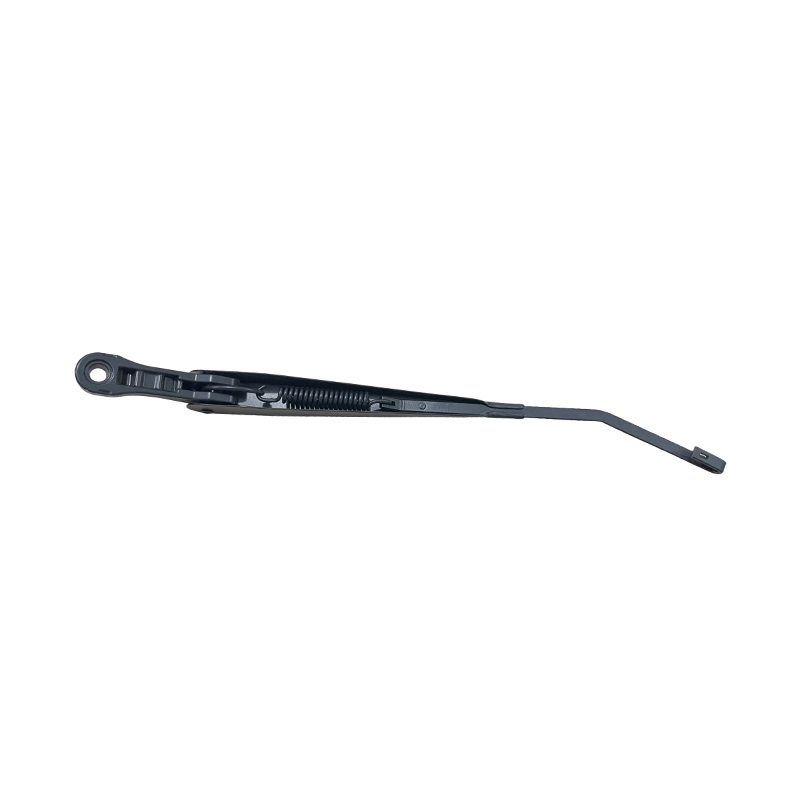
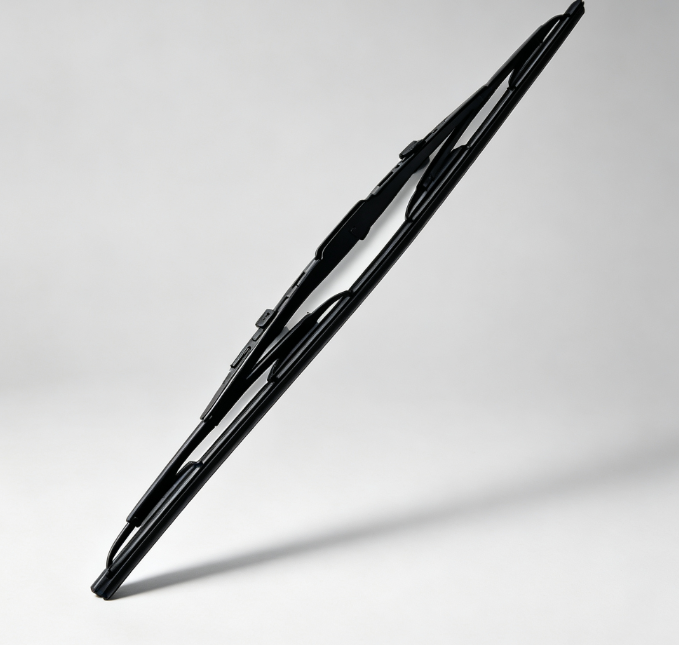
A conventional windshield wiper built around a metal frame clears rain, dust, and light debris from the glass. The assembly has a metal frame with several joints that move, a rubber strip that does the actual wiping, and an adapter that locks onto the arm. The frame spreads pressure along the rubber so the edge stays against the curved glass. Passenger cars, commercial vehicles, and other compatible models all use this style. The design stays practical for replacement markets, repair shops, and aftermarket distributors that need everyday performance. A Metal Frame Wiper Blade gives that mix of structure and wiping action across a wide range of vehicles.
Primary Advantages of the Metal Frame Design
Support and Shape Retention from the Metal Structure
The metal frame holds its shape under normal loads. Material choice, surface coatings, and how carefully the piece is made all change how well it stands up to corrosion and wear. When those parts are handled right, the blade keeps wiping the same way through regular use.
Even Pressure Distribution Along the Wiping Edge
Joints and pressure points push force across the rubber strip. Steady contact with the glass clears water and cuts down on streaks or dry spots. Matching the frame shape to the windshield curve and the vehicle keeps that contact even.
Practical Cost for Routine Replacement
The conventional design works fine for regular service intervals and aftermarket stock. Competitive pricing plus wide vehicle coverage supports repair shops, fleet operators, and parts retailers. Overall quality and how long the blade lasts still matter more than the purchase figure alone.
Possibility of Separate Rubber Refills
Some designs let the rubber element come out and get replaced while the frame and adapter stay put. Separate refills can lower replacement cost and cut material waste when the metal structure is still sound. Whether a refill fits depends on the exact product design.
Wide Range of Lengths and Connector Styles
Different lengths and adapter types cover many vehicle applications. Matching length, connector, and vehicle model stops fitment problems. Available ranges and customization options help distributors meet different aftermarket demands.
Straightforward Visual Inspection and Care
The open frame makes joints, the rubber edge, and signs of wear easy to see. Corrosion, loose connections, damaged rubber, and uneven wiping patterns get checked during routine service. Regular inspection and timely replacement keep the glass clear.
Typical Settings Where These Blades Appear
Passenger cars use them for everyday driving in changing weather. Commercial vehicles that need regular wiper maintenance also rely on compatible versions. The automotive aftermarket supplies them to repair shops and parts retailers. Wholesale channels stock multiple lengths and connectors for different models. Fleet programs standardize replacement across groups of similar vehicles. Correct selection always depends on vehicle fitment, windshield shape, operating environment, and maker recommendations.
Structural Comparison with Beam Style Wiper Designs
| Comparison Aspect | Metal Frame Design | Beam Style Design |
|---|---|---|
| Structural design | Articulated metal frame with multiple joints | Frameless flexible structure |
| Pressure distribution | Multiple pressure points along the rubber | Continuous flexing contact |
| Behavior on curved glass | Depends on joint layout and pressure balance | Depends on spine flexibility and tension |
| Exposure to snow and ice | Joints can collect debris if not cleared | Smooth surface sheds some accumulation |
| Replacement cost and maintenance | Often lower initial cost, refill options exist | Generally higher unit cost, full blade change |
| Vehicle compatibility | Broad length and connector coverage | Growing coverage, specific adapters required |
Neither layout is automatically superior. The suitable choice follows vehicle compatibility, climate, windshield curvature, product quality, and intended use.
Practical Steps for Selecting a Suitable Metal Frame Blade
Confirming the Correct Length
The vehicle owner's manual or a reliable fitment catalog supplies the required length. Driver and passenger sides sometimes differ, so both are verified.
Matching the Connector Type
The wiper arm attachment is identified and the adapter is confirmed as compatible. Length alone is never enough for selection.
Evaluating Rubber Quality and Edge Condition
Rubber formulation, edge consistency, flexibility, and resistance to weather exposure are reviewed. Expected climate and how often the blade will be used also guide the choice.
Inspecting Frame Construction and Surface Protection
Frame material, joint quality, surface finish, and protective coating get attention. Bulk purchasers often request specifications or sample testing.
Assessing Supplier Consistency and Support
Product uniformity, available sizes, quality-control steps, packaging, and delivery capacity are checked. OEM branding, customized packaging, and range breadth may also matter.
Routine Care That Supports Steady Performance
The rubber edge and the glass surface are cleaned periodically with suitable products. Cracks, hardening, deformation, and uneven wiping patterns are inspected. Frame joints and adapters are checked for damage or corrosion. Accumulated snow and ice are cleared before the wipers run in cold weather. Worn blades are replaced as soon as they no longer clear the glass cleanly and evenly.
Features Relevant to Aftermarket and Wholesale Channels
Frame material, protective coating, rubber formulation, available lengths, and connector options form the core product attributes. Customization such as branding, packaging, and specification adjustments can be arranged when production capacity allows. Consistency of quality, fitment support, and reliable supply depend on the manufacturing process in place. Catalogs, specification sheets, samples, or bulk quotations support purchasing decisions.
Frequent Questions About Metal Frame Style Blades
Properly matched and well-made versions deliver practical, cost-effective wiping performance. Service life varies with rubber quality, climate, ultraviolet exposure, usage frequency, and maintenance; inspection based on actual wiping results is more useful than any fixed interval. Structural differences exist between frame and beam designs, and the better match depends on vehicle compatibility, weather, windshield curvature, and budget. Some models allow separate rubber refills, yet compatibility is design-specific. Correct fitment is confirmed through the vehicle manual, fitment catalog, original blade length, and arm connector type.
Selecting a Blade That Delivers Reliable Everyday Clearing
Articulated support, practical replacement options, and broad vehicle coverage form the main advantages of the metal frame design. Frame quality, rubber performance, correct fitment, and regular maintenance together determine how effectively the glass stays clear. Ruian Mingcheng Vehicle Parts Co., Ltd. produces metal frame wiper assemblies for automotive replacement and wholesale markets. Review of available sizes, connector styles, and customization options against the required vehicle applications allows selection of blades that meet everyday wiping needs.