

 English
 Português
 Español
 عربى
عربىCustom Windshield Wiper
Home / Products

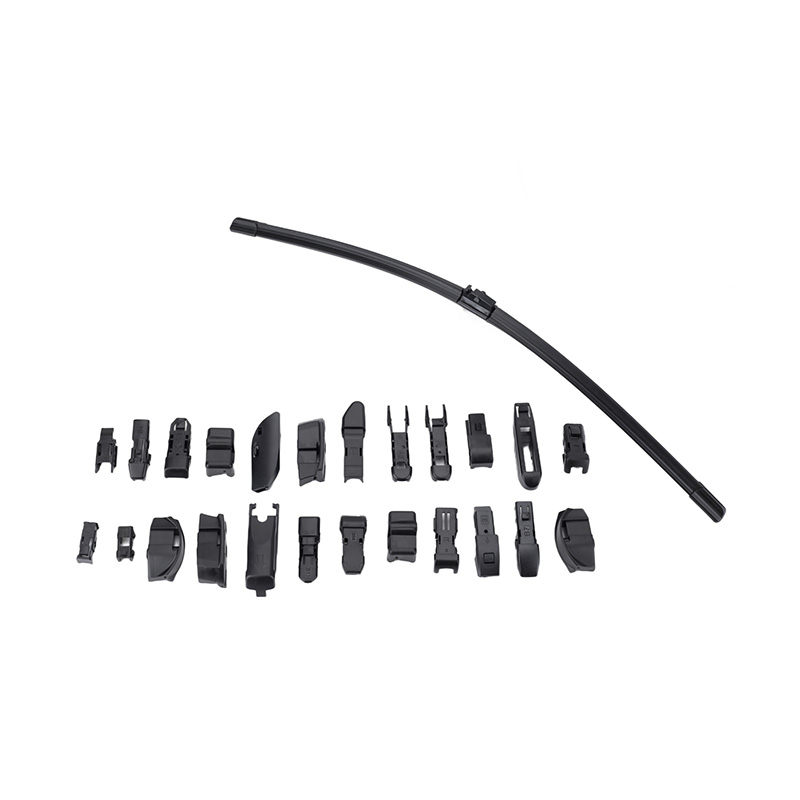 MC-SOWB-12 for Multi-function Wiper 1 Frameless Wiper Blade
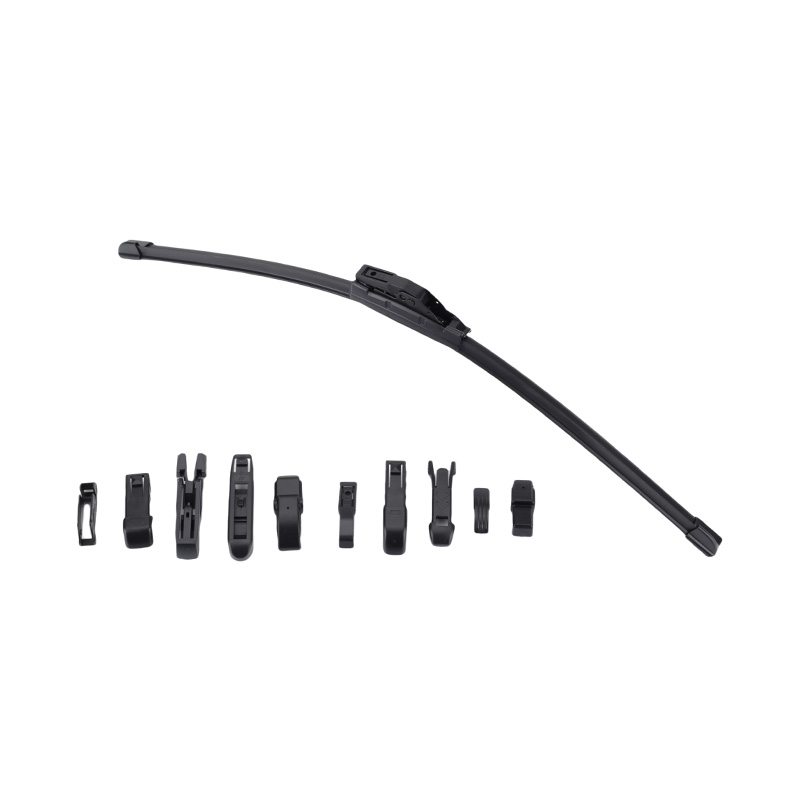 MC-SOWB-13 for Multi-function Wiper 2 Frameless Wiper Blade
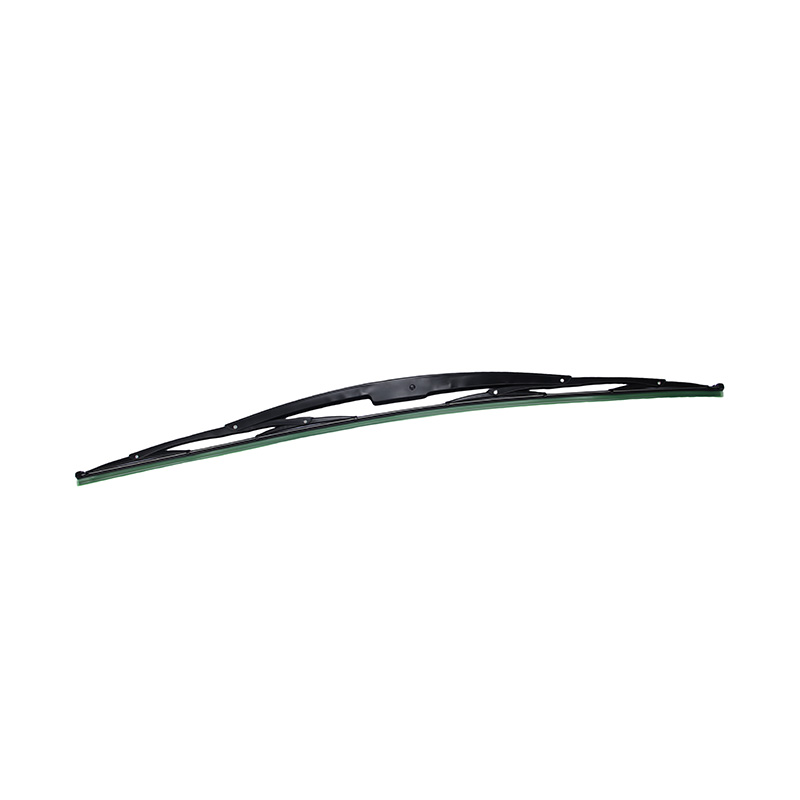 MC-FRWB-1 for Yutong (Hook Type) Framed Wiper Blade
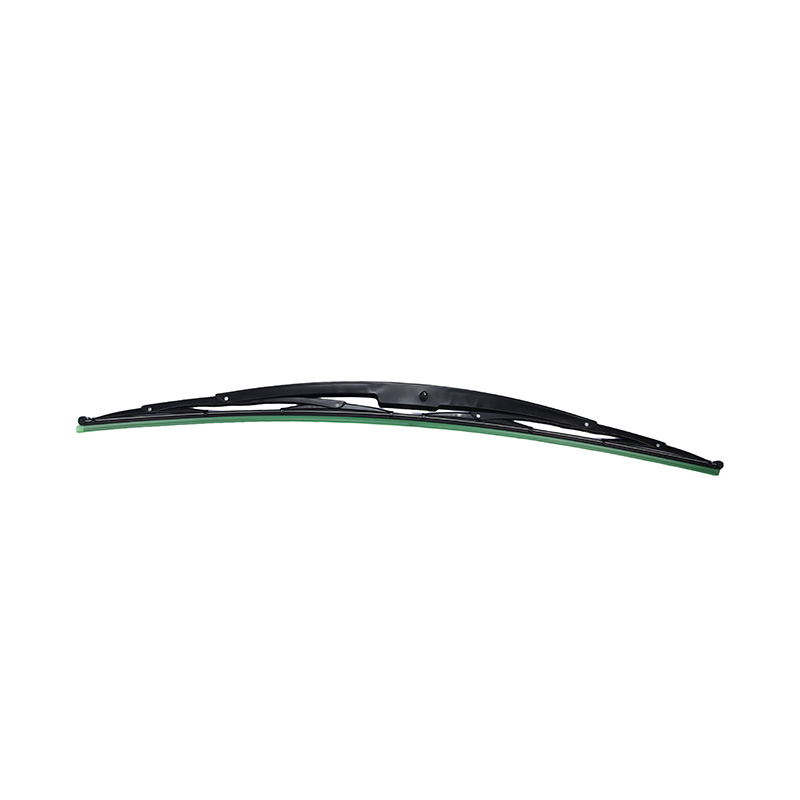 MC-FRWB-2 for Yutong (Screw Type) Framed Wiper Blade
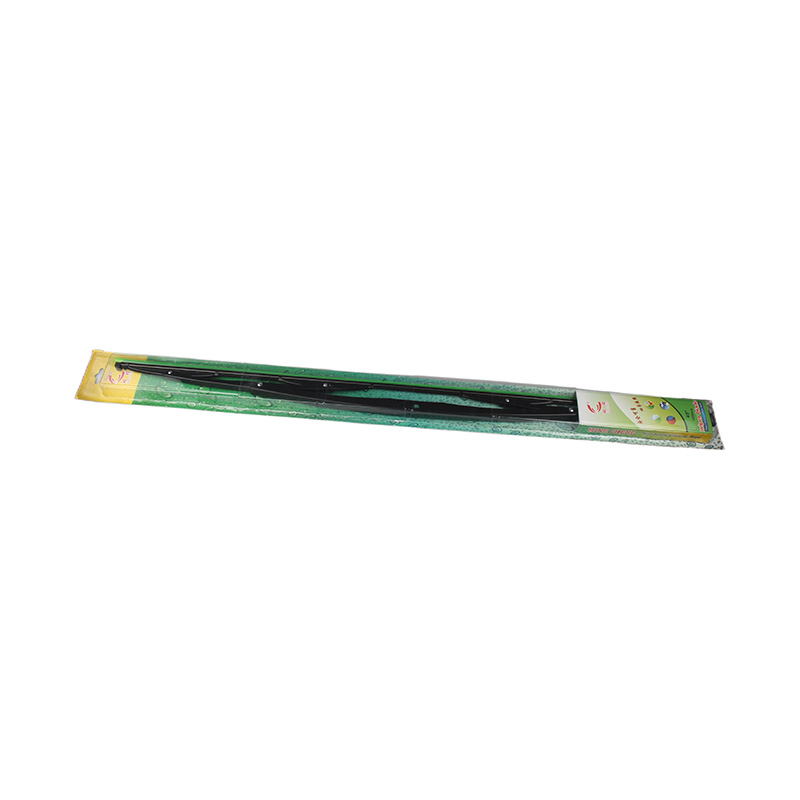 MC-FRWB-3 for 900mm / 1000mm (Blister Pack) Framed Wiper Blade
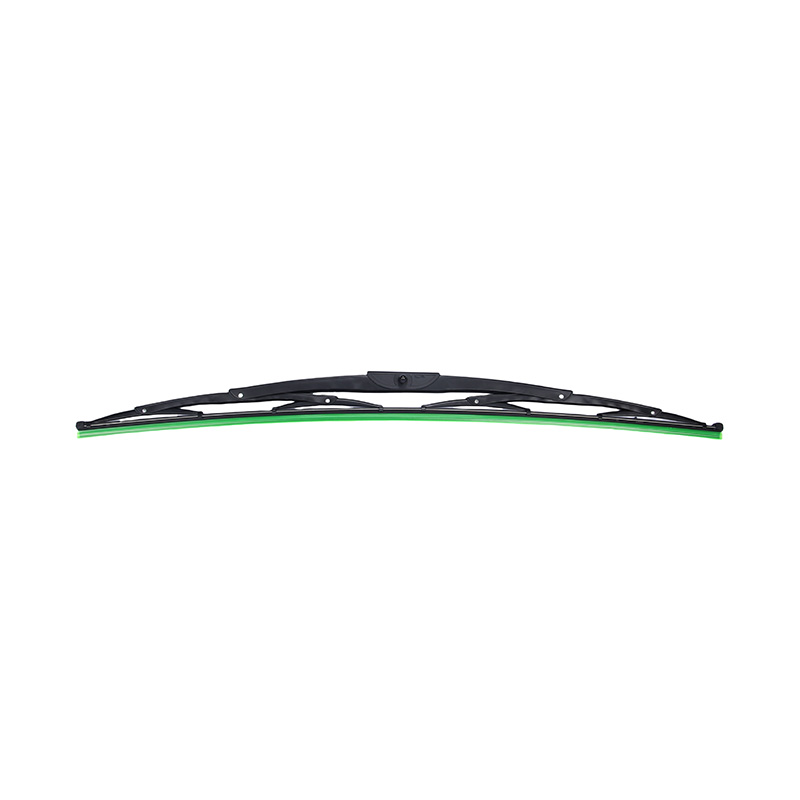 MC-FRWB-4 for 800mm (Screw Type, Wide Blade) Framed Wiper Blade
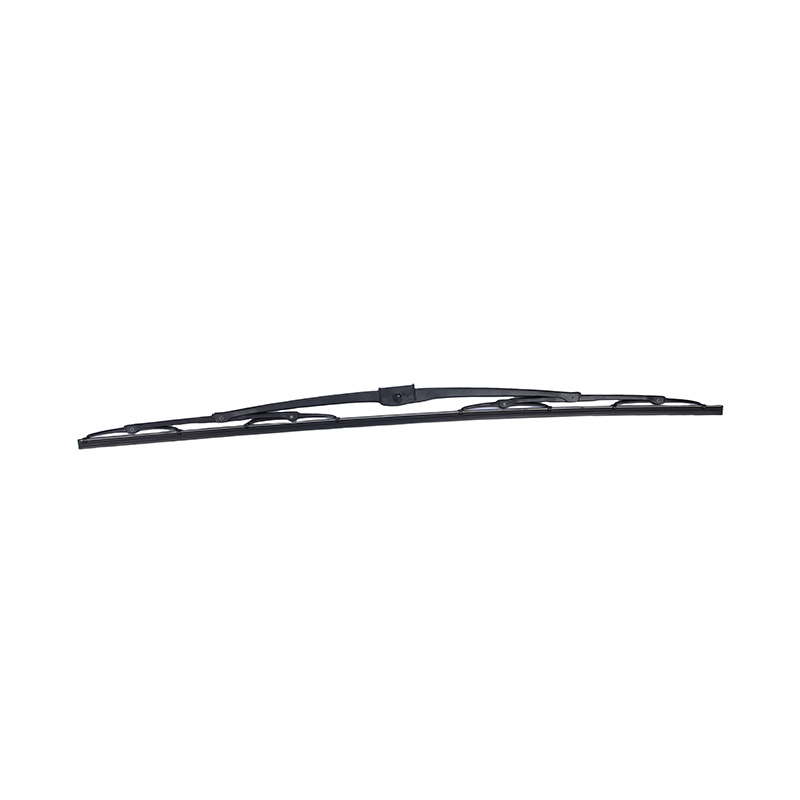 MC-FRWB-5 for North Benz 700mm (Screw Type) Framed Wiper Blade
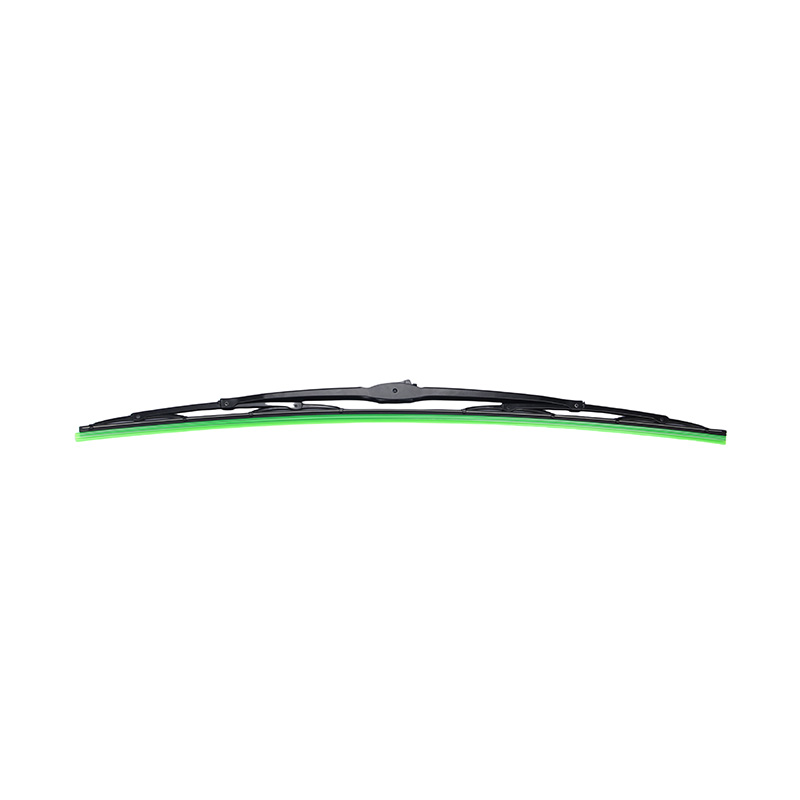 MC-FRWB-6 for HOWO Framed Wiper Blade
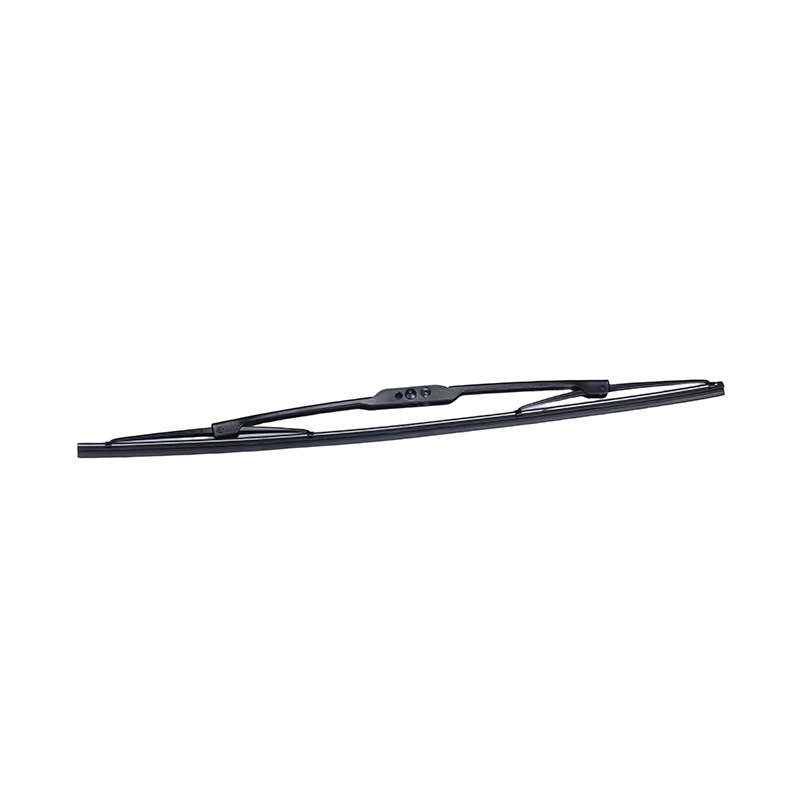 MC-FRWB-7 for 405W Framed Wiper Blade
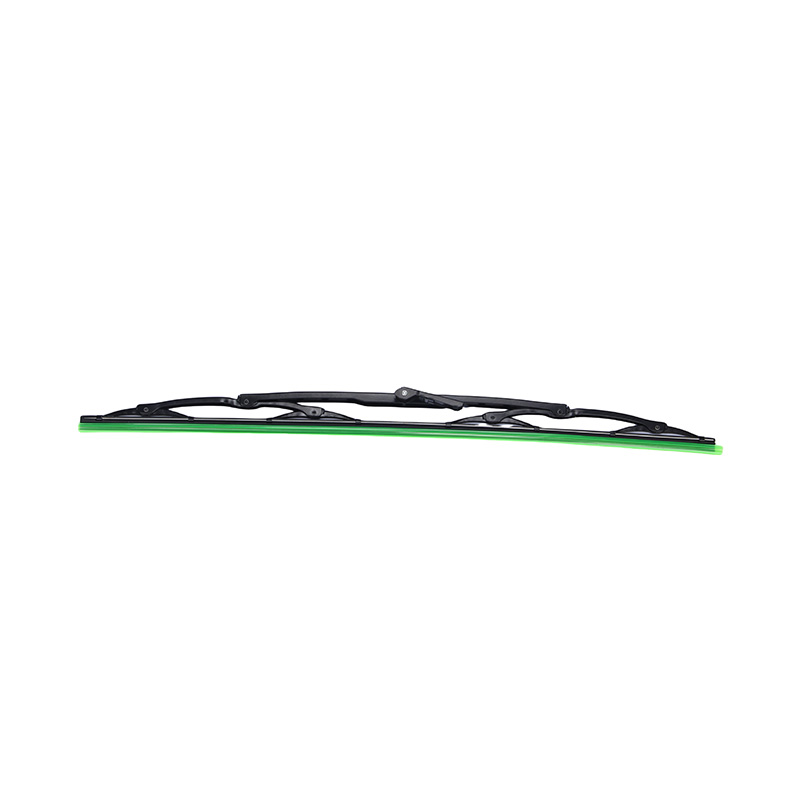 MC-FRWB-8 for Lada Framed Wiper Blade
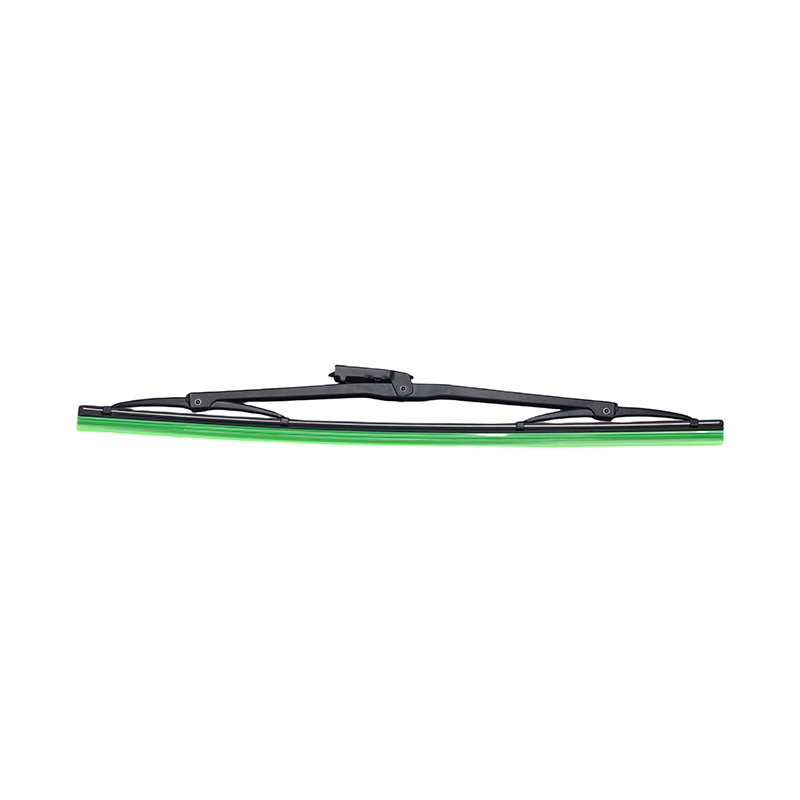 MC-FRWB-9 for Lada 2101 Framed Wiper Blade
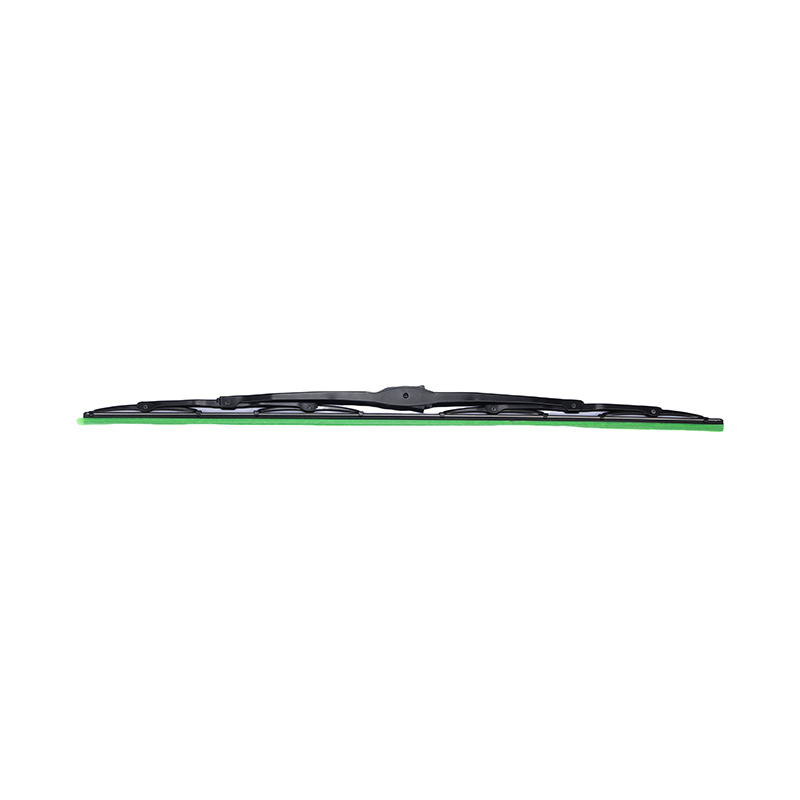 MC-FRWB-10 for Delong M3000 Framed Wiper Blade
Industry Experience
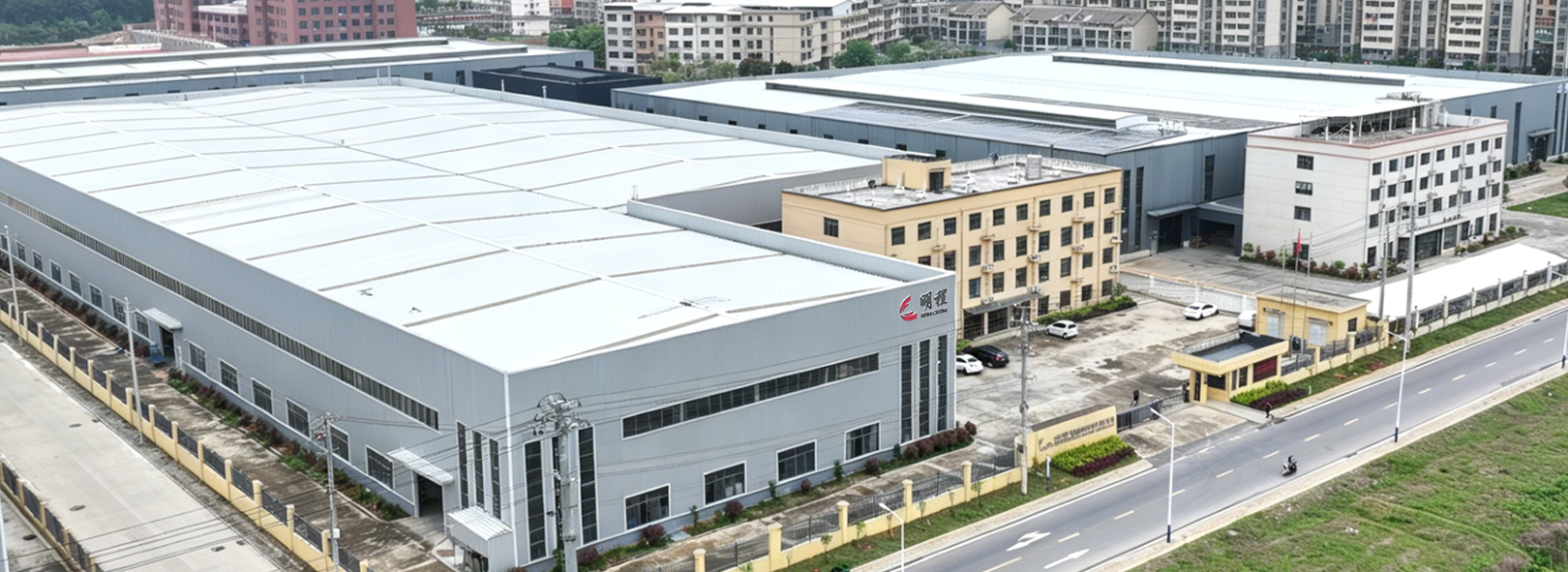
Factory Area
Compatible Car Models
Export Regions


Windshield wiper products are mechanical and rubber components designed to keep clear visibility through a vehicle’s windshield or rear window. The primary product categories cover front wiper arms, rear wiper arms, frameless wiper blades, and framed wiper blades. A complete wiper system typically functions through the combined action of the wiper motor, linkage, shaft, arm, blade, and glass surface. Because each part performs a distinct role, proper fitment involves more than simply choosing a blade by length.
Windshield wiper products are components used in vehicle wiping systems to clear rainwater, dirt, dust, and other contaminants from automotive glass. The main product groups are:
Wiper arms deliver mechanical movement and support, while wiper blades create the wiping interface against the glass. The right combination relies on vehicle design, mounting configuration, blade dimensions, arm geometry, and connector compatibility.
Front wiper arms link the wiper shaft to the front wiper blades. Geometry, length, mounting interface, and spring mechanism are all tailored to the vehicle’s front windshield and wiping area.
Rear wiper arms serve vehicles fitted with a rear window wiping system. They join the rear wiper shaft to the rear blade and are typically engineered for specific vehicle applications.
Frameless wiper blades, also known as beam or flat wiper blades, feature a low-profile design without the exposed conventional metal frame of traditional types. Internal flexible elements assist in spreading pressure evenly along the wiping edge.
Framed wiper blades rely on a conventional metal-frame structure with articulated parts that help spread pressure evenly across the rubber wiping element.
A windshield wiper works through several mechanical components that transfer power from the motor to the blade. When the wiper switch is activated, the motor starts rotating and sends its movement through the linkage and wiper shaft.
The wiper arm is mounted to the shaft and moves in a controlled arc. As the arm swings, it carries the wiper blade across the windshield. The blade’s rubber wiping element stays against the glass and pushes rainwater, dust, and road residue away from the viewing area.
The actual arrangement is not identical on every vehicle. Front and rear systems may use different arm shapes, mounting connections, movement ranges, and blade configurations to match the vehicle's windshield or rear-window design.
The front wiper arm sits between the wiper shaft and the front wiper blade. It is the mechanical piece that actually moves the blade across the glass. In daily use, it performs several functions at the same time:
Inside a typical arm you will find the arm body, mounting base, spring mechanism, shaft connection, and blade connector. These parts have to work together under repeated movement and different weather conditions.
Because front windshields change a lot in size and curve from one car to another, most front wiper arms are made for specific vehicle models. A universal design rarely gives the same pressure and coverage.
Rear wiper arms do a similar job, but they are built for the rear window system. Compared with front arms, they often differ in:
Fitment is decided by the rear wiper shaft, mounting position, the shape of the rear glass, and the blade connection. A rear arm made for one model almost never fits another without changes.
Frameless wiper blades use a low-profile design with flexible parts inside instead of a traditional open metal frame. Common components include:
The internal spring helps spread pressure evenly along the rubber and lets the blade follow the curve of the glass more closely. This style is widely used on modern passenger cars and works across different models when the length and connector are correct.
Framed wiper blades keep the classic metal-frame construction. The frame has several hinged sections that transfer pressure from the arm down to the rubber element.
Typical parts are:
This design is still common in the replacement market because it is proven and fits a wide range of vehicles.
| Feature | Frameless Wiper Blade | Framed Wiper Blade |
|---|---|---|
| Main Structure | Low-profile flexible design | Conventional metal frame |
| Pressure Distribution | Handled by internal flexible strip | Controlled through hinged frame sections |
| External Profile | Cleaner and lower silhouette | More visible metal structure |
| Windshield Conformity | Follows glass curve more naturally | Managed by the frame joints |
| Vehicle Application | Common on many newer cars | Broad use in replacement market |
| Connector | Depends on vehicle and application | Depends on vehicle and application |
| Selection | Size + connector + vehicle fit | Size + connector + vehicle fit |
Neither design works for every vehicle. The final choice should always follow the vehicle’s specifications, glass shape, connector type, and intended use.
Front and rear wiper arms share the same basic role, yet they are engineered for different glass surfaces and vehicle layouts.
Front arms usually deal with larger windshields and more complex wiping patterns. Rear arms are shaped around the size and limited space of the rear window.
Key differences often appear in:
For this reason, a front wiper arm should not be treated as a direct replacement for a rear one.
The arm and the blade are separate parts, but they only work properly when they form a matched pair.
Compatibility depends on the arm connector, blade connector, blade length, arm geometry, and the vehicle’s mounting requirements. Even a blade of the correct length will not fit if the connector is different.
Correct selection starts with the vehicle, not just the product name.
Confirm the make, model, generation, and exact application.
Decide whether the application needs a front arm, rear arm, frameless blade, or framed blade.
Match the required arm or blade length to the vehicle specification.
Check how the arm attaches to the shaft and how the blade attaches to the arm.
Make sure the part covers the necessary glass without interfering with other components.
Review the full combination of vehicle, dimensions, mounting interface, connector, arm geometry, and blade configuration before deciding.
Windshield wiper products are used across many different vehicle types:
The MCWIPER catalog currently includes vehicle-specific front arm examples for models such as Accord, A3, Wrangler, BYD F3, Polo, Corolla, and various Toyota applications.
Different vehicles use different mounting and connection styles. The more common ones are:
The connector is just as important as the length. A part that looks the right size can still fail to install if the interface does not match. When developing a vehicle-specific product, the original component, vehicle data, dimensions, connection details, and fitment requirements all serve as useful technical references.
Many vehicle-specific wiper products need custom dimensions, mounting interfaces, arm geometry, connectors, or blade configurations.
OEM and ODM projects can cover:
Mingcheng integrates R&D, production and sales, with mold-making and precision machining capability. The company has more than 30 years of industry experience and production bases in Ruian and Anhui. These resources support the development of application-specific automotive wiper components.
Mingcheng supplies front wiper arms, rear wiper arms, frameless wiper blades, and framed wiper blades.
With over 30 years in the industry, the company combines R&D, production, mold development, precision machining, and full manufacturing. Its catalog already shows vehicle-specific applications across multiple passenger models.
This combination of experience and capability supports OEM, ODM, replacement, and aftermarket needs for vehicle-specific windshield wiper products.
 Zhaopingyang Industrial Zone, Tangxia Town, Ruian City, Zhejiang Province, China
 mcwiper@aliyun.com
 +86-15967718996
 +86-13780132799
Our team will respond to your product inquiries, fitment requests, and cooperation needs as soon as possible.
Copyright© Ruian Mingcheng Vehicle Parts Co., Ltd. All Rights Reserved.
 Custom Windshield Wiper Manufacturer