

 English
 Português
 Español
 عربى
عربى
Framed Wiper Blade
-
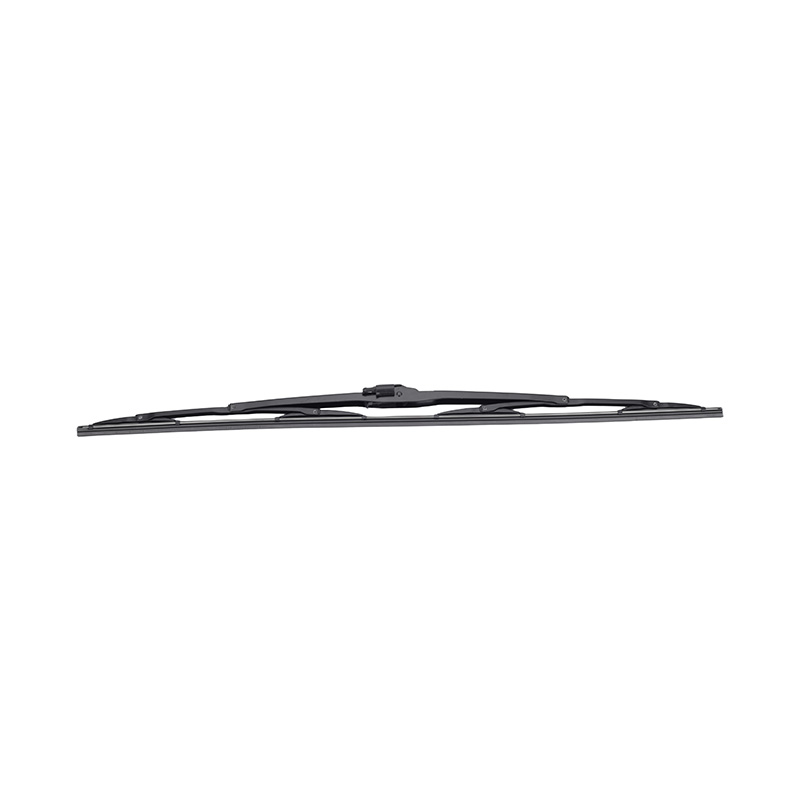 MC-FRWB-20 for Scania (Left) Framed Wiper Blade
-
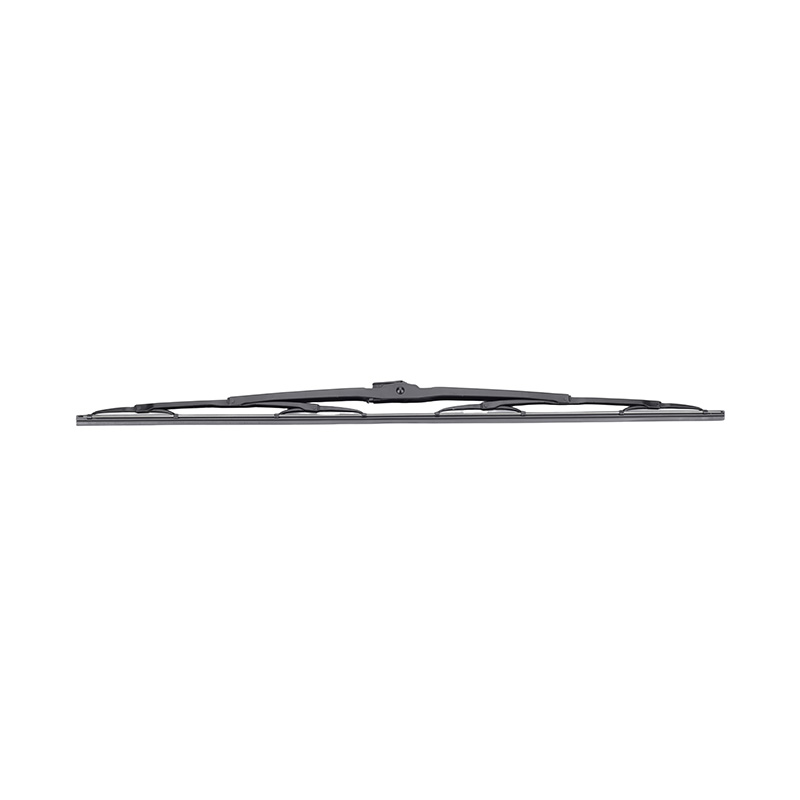 MC-FRWB-21 for Scania (Right) Framed Wiper Blade
-
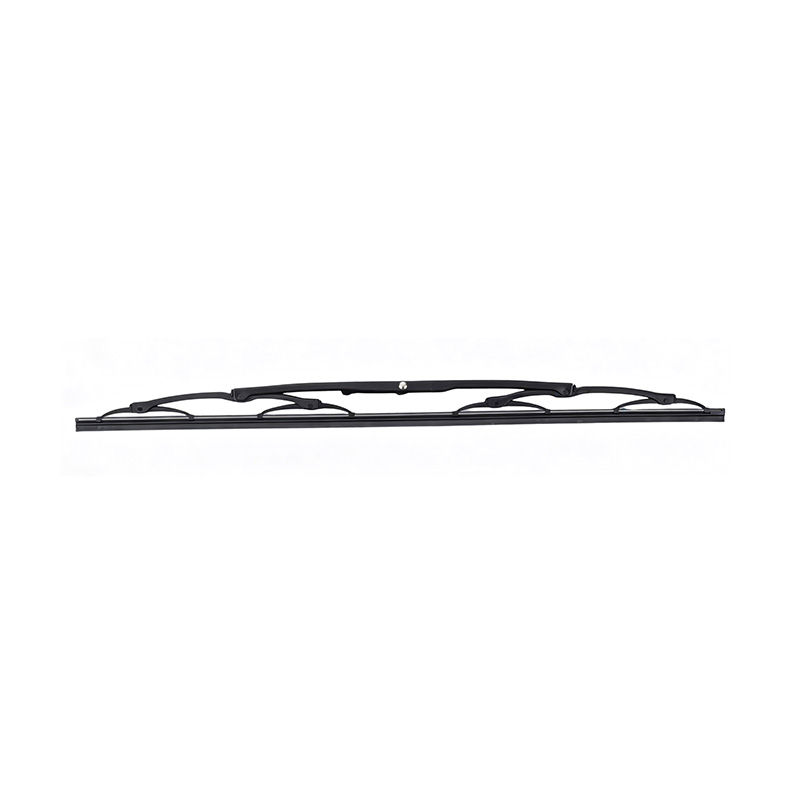 MC-OVWA-61 for 2108 Blade Framed Wiper Blade
Framed wiper blades represent the classic, traditional style of wiper; featuring a mature and stable structure, they offer exceptional value for money and have long been widely adopted across a diverse range of passenger cars, commercial vehicles, and heavy-duty machinery. Utilizing a metal frame with a multi-point support design, these blades provide robust structural support and distribute pressure evenly, ensuring a tight, flush fit against the windshield. This allows for thorough and effective wiping—efficiently clearing away rain, dust, insect residue, and grime—making them highly practical for everyday use.
Constructed from wear-resistant natural rubber paired with a rust-proof metal frame, these blades exhibit excellent durability, resistance to aging, and resistance to deformation. They perform reliably in a variety of weather conditions—both sunny and rainy—offer a consistent service life, and are characterized by simple installation and low maintenance costs. With a comprehensive range of models and specifications, they boast broad compatibility, making them suitable for the majority of older vehicle models, mid-range cars, and commercial trucks.
Produced through large-scale, standardized manufacturing processes and subjected to rigorous quality inspections at every stage, these products ensure reliable quality control. We support bulk orders, international wholesale, and custom manufacturing requests, offering a stable supply chain and a distinct cost-performance advantage. As a fundamental wiper blade option addressing a universal, essential need within the automotive parts market, they represent a dependable choice for a wide range of applications.
-
0 years
Industry Experience
-
0 m²
Factory Area
-
0 +
Compatible Car Models
-
0 +
Export Regions


Framed Wiper Blades: Structure, Applications and Selection Guide
Framed Wiper Blades (also known as conventional wiper blades, traditional wiper blades, or metal-frame wiper blades) remain one of the most proven windshield-wiping solutions still in daily use across passenger cars, commercial vehicles, buses, trucks, and a wide range of other applications.
At the heart of the design is a visible metal frame that distributes force from the wiper arm evenly onto the rubber wiping edge. This straightforward mechanical approach has stayed relevant for decades because the structure is mature, the parts are easy to produce and service, and the blades fit a broad spectrum of vehicle types without major redesign.
Manufacturers can vary the frame geometry, overall length, and mounting interface so the same basic concept works on everything from compact passenger cars to large buses, heavy trucks, and specialized equipment. The result is a practical, widely compatible product that continues to meet the needs of fleet operators and individual drivers alike.
What Is a Framed Wiper Blade?
A framed wiper blade is built around a metal frame and a multi-point support system. As the wiper arm travels across the glass, force moves from the arm through the central structure and the supporting bridges, reaching several contact points along the length of the blade.
That distributed pressure lets the rubber edge conform more closely to the curve of the windshield and stay in contact over the full wiping path.
These blades are most often called:
- Conventional wiper blades
- Traditional wiper blades
- Metal-frame wiper blades
While exact designs differ from one maker or vehicle type to another, the names all point to the same basic idea: a traditional, externally supported metal frame that carries the rubber wiping element.
How Does a Framed Wiper Blade Work?
How a framed wiper blade works starts with the force coming from the vehicle’s wiper arm. That force travels first through the blade’s central mounting point and into the metal support structure.
From there the pressure spreads outward along the bridges and support points that run the length of the blade. The rubber edge stays pressed against the glass and sweeps across the surface, clearing water and loose dirt.
A simple view of the pressure path looks like this:
Real-world wiping results depend on how well these parts work together. Frame shape, the flexibility of the rubber, the amount of arm pressure, and the curve of the windshield all play a part in keeping contact even and the wipe consistent.
Framed Wiper Blade Structure and Main Components
A typical framed wiper blade is made up of several working parts that each play a clear role.
Framed Wiper Blade Sizes and Applications
Framed wiper blades come in many different lengths so they can fit a wide variety of vehicles. The right size is always chosen according to the vehicle’s original specification, the actual dimensions of the windshield, the sweep pattern the arm creates, and the design of the wiper arm itself.
You will commonly find them on:
- Passenger cars
- Buses and coaches
- Trucks
- Commercial vehicles
- Heavy-duty vehicles
- Construction and industrial equipment
Vehicles with larger windshields usually need longer blades. In commercial and heavy-duty work, for instance, 700 mm, 800 mm, 900 mm or even 1000 mm framed blades are regularly specified.
Length alone is never enough to make the decision. Mounting position, the way the arm moves, and the clearances between parts all have to be checked so the blade clears the glass properly without interference.
Wiper Arm Compatibility and Connector Types
Getting the right fit for a framed wiper blade means more than just matching the length. The mounting system on the blade has to line up with the vehicle’s wiper arm as well.
The most common connection styles include:
- U-hook
- J-hook
- Hook type
- Bayonet
- Side pin
- Screw type
- Push-button systems
- Vehicle-specific mounting designs
Before you choose a blade, check how the original one attaches to the arm. Using the wrong connector can make installation difficult, reduce how steadily the blade sits, and affect how cleanly it wipes.
On applications that are specific to a particular vehicle, both the connection type and the overall blade dimensions should be verified together.
How to Choose the Right Framed Wiper Blade
Several factors should be considered when selecting a Framed Wiper Blade.
- Confirm the Vehicle Application Identify the vehicle model and application type. Passenger vehicles, buses, trucks and heavy-duty equipment may have different blade requirements.
- Check the Required Blade Length The blade should match the intended sweep area without interfering with other vehicle components.
- Identify the Wiper Arm Connection Check whether the vehicle uses a hook, bayonet, side pin, screw-type or other mounting design.
- Consider Windshield Shape Windshield curvature can affect how the blade contacts the glass. The frame and pressure distribution system should be suitable for the intended application.
- Evaluate Material Requirements Frame treatment, support components and rubber material should be considered according to the expected operating environment.
- Consider Operating Conditions Temperature, rain, dust, UV exposure and vehicle operating conditions can influence the long-term performance of a wiper blade.
Framed Wiper Blade vs Beam Wiper Blade
Framed wiper blades and beam wiper blades are built on two different structural ideas.
Framed Wiper Blade
A framed blade relies on an external metal frame with several pressure points. This long-established layout is familiar to most installers and works across a wide range of vehicles.
Beam Wiper Blade
A beam blade uses a single flexible structure with no visible outer frame. The continuous design is meant to spread pressure more evenly and to sit lower in the airflow for better aerodynamics.
Which one to use depends on a few practical factors:
- The overall vehicle design
- How curved the windshield is
- The type of wiper-arm system already fitted
- The conditions the vehicle will operate in
- The original factory specification
- Whether the job is a direct replacement or a change of style
- The product range or market position you are targeting
Conventional Wiper Blade vs Frameless Wiper Blade
A conventional wiper blade is the type with a clearly visible metal frame and several support bridges running along its length.
A frameless wiper blade, by contrast, uses a single flexible structure that hides most of its internal supports, so the blade looks cleaner and more continuous.
The practical differences show up in several areas:
- Overall structural design
- How pressure is spread along the rubber
- The aerodynamic shape of the blade
- How closely the edge follows the curve of the glass
- The way the blade mounts to the arm
- Which vehicles it can fit without modification
Traditional framed blades remain the everyday choice on a large number of existing vehicle platforms. Frameless designs appear more often on newer models that were engineered with that style in mind.
Traditional Wiper Blade vs Hybrid Wiper Blade
A traditional wiper blade keeps the classic exposed metal frame that has been used for decades.
A hybrid wiper blade takes that same internal support and wraps it in a smooth outer cover. The cover gives the blade a cleaner, more continuous look and also shields some of the moving parts underneath.
You can think of the three main styles as three different structural answers:
- Traditional framed blade – an open multi-point support structure
- Hybrid blade – the same kind of support, but finished with an aerodynamic outer shell
- Beam blade – a single integrated flexible structure with no separate frame
Each approach is built to meet different vehicle designs and performance needs.
Factors That Affect Framed Wiper Blade Performance
Good wiping results depend on far more than the blade alone.
A number of practical factors come into play:
- The pressure the wiper arm actually applies
- The condition of the rubber edge
- The geometry of the frame
- How curved the windshield is
- How securely the connector sits on the arm
- The angle at which the blade is installed
- The state of the glass surface
- The speed the vehicle is travelling
- Rain intensity and other weather conditions
Too much or too little arm pressure, for instance, can leave streaks or gaps. A poorly fitted connector, an incorrect installation angle or a dirty or pitted windshield can produce noise, skipping or uneven contact.
When a wiping problem appears, the sensible first step is to look at the whole system rather than simply fitting a new blade and hoping the issue disappears.
Why Choose Mingcheng Framed Wiper Blades?
Mingcheng designs and produces metal-frame wiper blades for a wide range of vehicles. The current line-up covers passenger cars, buses, trucks and other commercial or heavy-duty applications, offered in multiple lengths and mounting styles.
OEM and ODM programmes are available, along with vehicle-specific configurations. Development work can take into account blade dimensions, mounting structure, frame design and packaging needs.
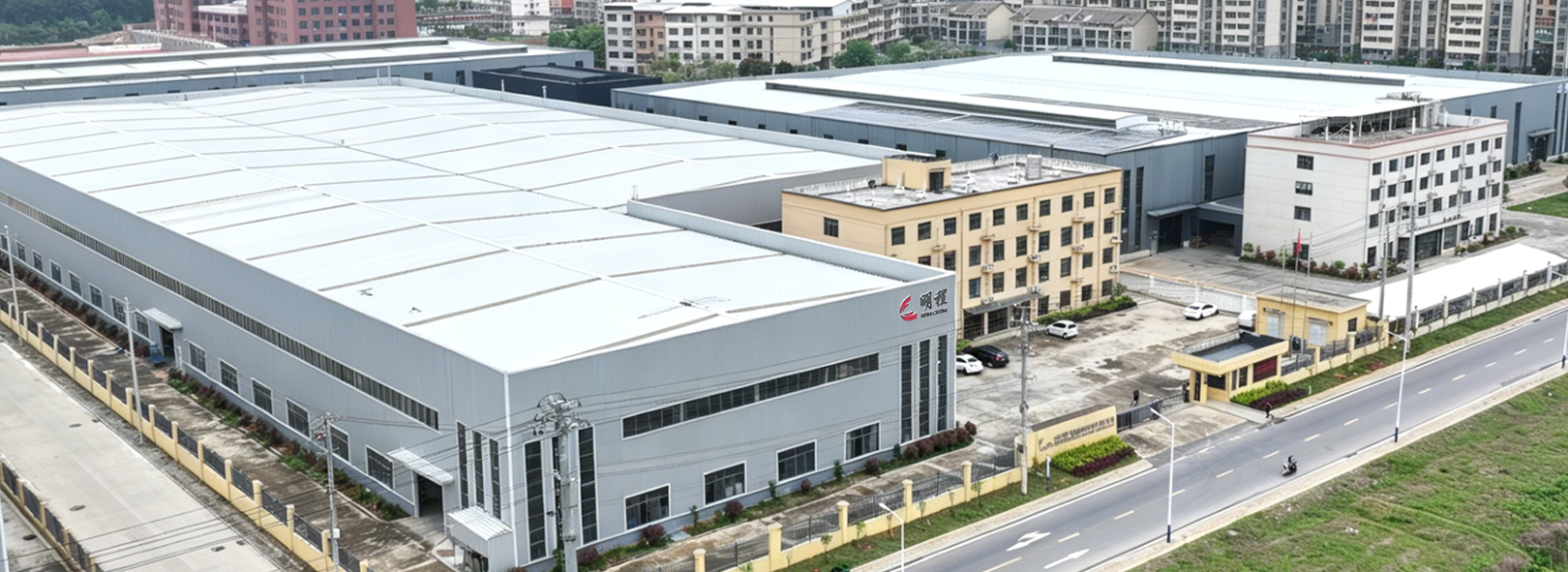
With more than thirty years in the industry, two manufacturing sites and in-house capabilities in mould development, precision machining and standardised production, Mingcheng supports the full process from design through to finished automotive wiper components for different markets and vehicle platforms.
Frequently Asked Questions About Framed Wiper Blades
What is a Framed Wiper Blade?
A Framed Wiper Blade is a windshield wiper with a metal support frame and multiple pressure points. It is also commonly referred to as a Conventional Wiper Blade or Metal Frame Wiper Blade.
Are Framed Wiper Blades the same as Conventional Wiper Blades?
In most automotive applications, the terms are commonly used to describe traditional wiper blades with an externally supported frame structure.
Are Framed Wiper Blades better than Beam Wiper Blades?
Neither design is universally better. Framed and Beam Wiper Blades use different structures and may be suitable for different vehicle applications, windshield shapes and performance requirements.
What sizes do Framed Wiper Blades come in?
Framed Wiper Blades are available in different lengths depending on vehicle application. Passenger vehicles may use shorter sizes, while buses, trucks and heavy-duty vehicles can require longer blades such as 700mm, 800mm, 900mm or 1000mm.
How do I choose the correct Framed Wiper Blade?
Check the vehicle application, original blade length, wiper arm connection and mounting requirements. Windshield shape and operating conditions should also be considered.
What wiper arm types are compatible with Framed Wiper Blades?
Compatibility depends on the blade design. Common connection systems include U-hook, J-hook, bayonet, side pin, hook type and screw-type connections.
Are Framed Wiper Blades suitable for commercial vehicles?
Yes. Framed Wiper Blades are widely used on many commercial vehicles because different frame configurations, lengths and mounting systems can be developed for buses, trucks and other large vehicle applications.
What should be checked when selecting Framed Wiper Blades?
Key factors include vehicle application, blade length, mounting type, windshield geometry, frame structure, rubber material and operating conditions.
How can I identify a suitable Framed Wiper Blade manufacturer?
Evaluate whether the manufacturer has relevant product experience, vehicle application knowledge, development capability, production facilities, quality control processes and the ability to provide suitable technical information for the required application.
-
 Zhaopingyang Industrial Zone, Tangxia Town, Ruian City, Zhejiang Province, China
-
 mcwiper@aliyun.com
mcwipernancy18@163.com -
 +86-15967718996
+86-17681527502
+86-13780132799 -
 +86-13780132799
+86-15267786072
Our team will respond to your product inquiries, fitment requests, and cooperation needs as soon as possible.
Copyright© Ruian Mingcheng Vehicle Parts Co., Ltd. All Rights Reserved.
 Reliable Wiper Blade Supplier for Metal Frame Designs