English
 Português
 Español
 عربى
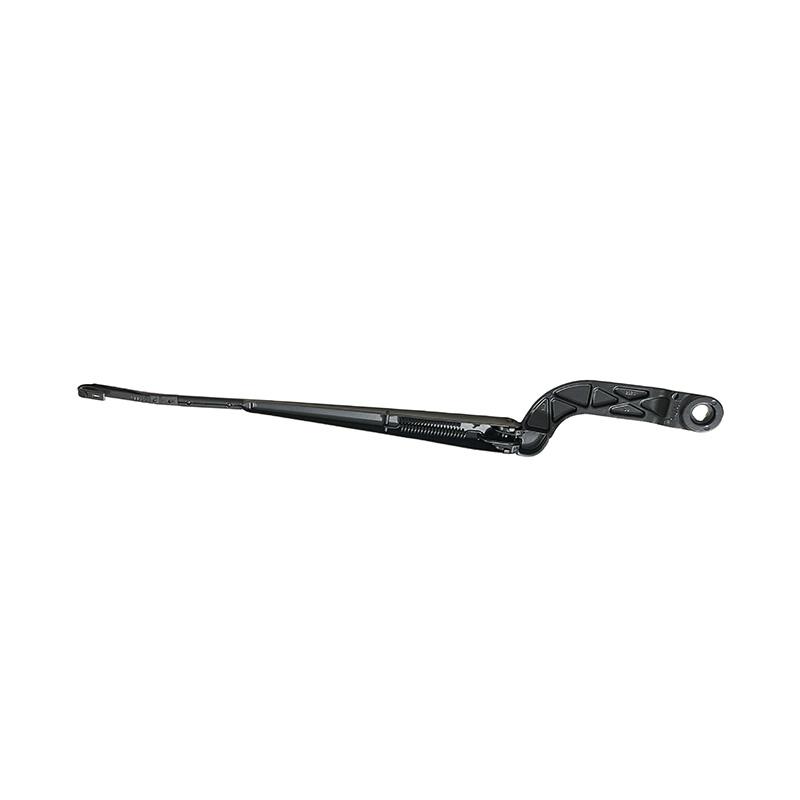
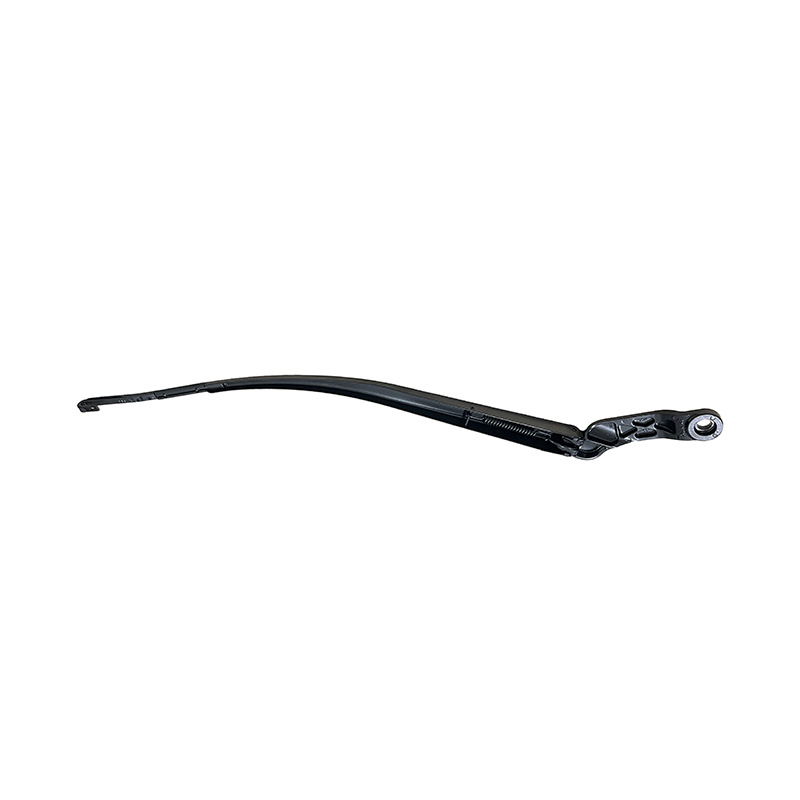
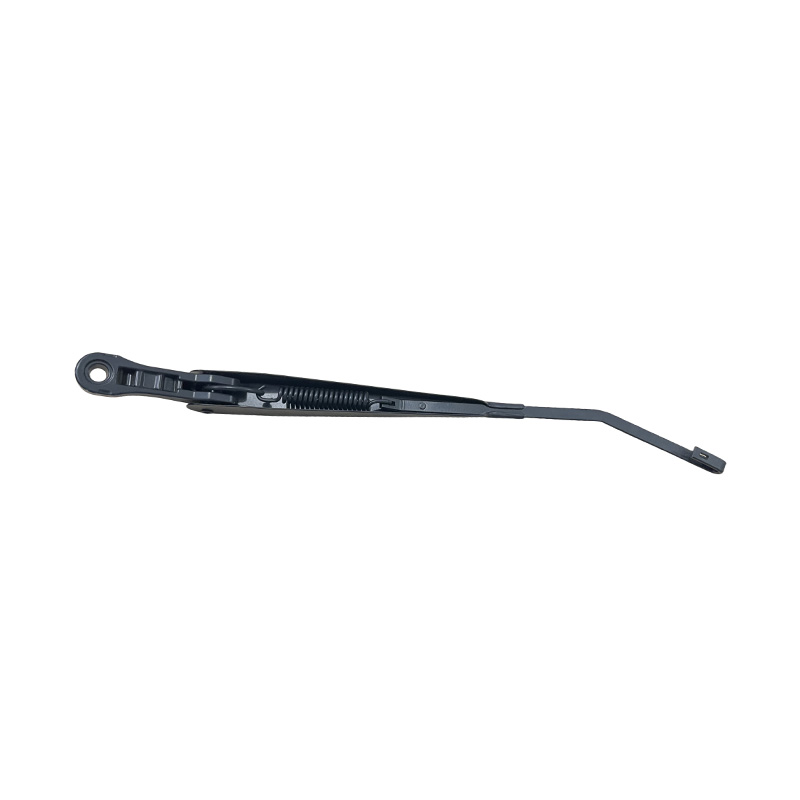
A wiper arm links the vehicle's wiper drive to the blade that clears water and light debris from the glass. The arm carries the blade through its arc, holds it against the windshield with the intended pressure and parks it when the system is off. Fixed-length, fixed-geometry arms are built for a narrow set of mounting positions and blade interfaces. An adjustable design adds a controlled way to change effective length, angle or seating within a defined range so that the same arm family can be adapted during fitting instead of relying on a single rigid geometry.
The front wiper arm is the primary arm on the driver's and, where fitted, passenger side of the front screen. Its job is to support steady blade motion across the wiped area. When adjustment features are part of the structure, installers can refine how the arm sits relative to the glass and the blade adaptor after the splined or bolted connection at the pivot is secured. Adjustment does not replace the need for correct drive-shaft fit or a blade that matches the arm's connector; it refines alignment within the limits built into the product.
Key Benefits of Using an Adjustable Wiper Arm
Flexible Adjustment for Different Installation Needs
Vehicles differ in pivot height, cowl clearance and the distance from the drive head to the ideal blade path. An adjustable structure can accommodate limited changes in those relationships when the design allows length or angle variation. During installation, the fitter can set the arm so that the blade rests correctly at the park position and reaches the intended sweep without forcing the linkage. Convenience appears mainly at fitment time: small corrections are made on the arm rather than by bending parts or swapping to another fixed arm that may still be slightly off.
Improved Wiper Blade Alignment
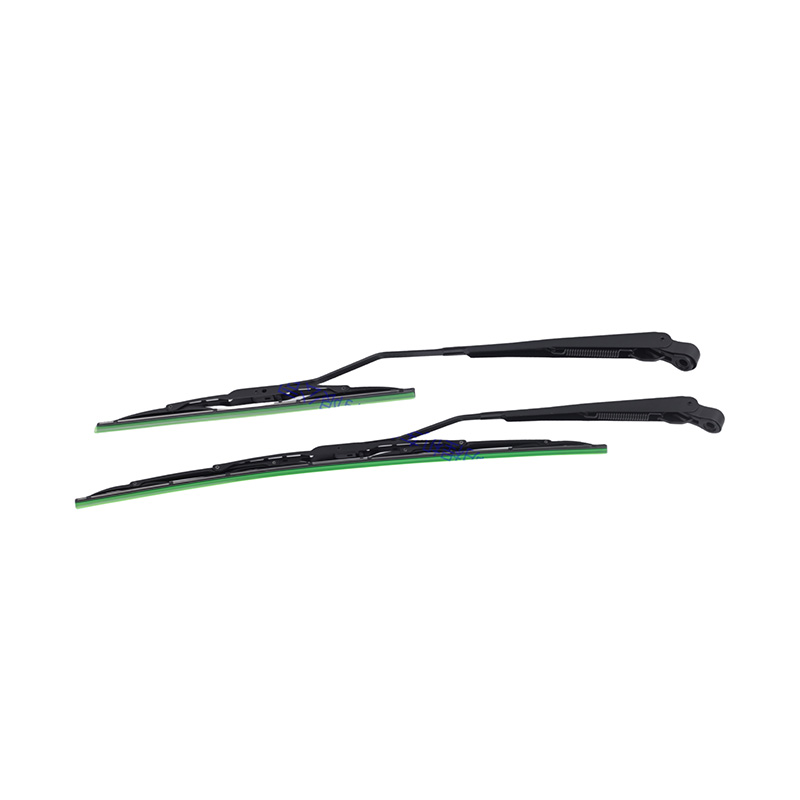
Blade rubber must meet the glass along its length with even pressure. If the arm tips the blade or holds it too high or low at the ends of the stroke, streaks, chatter and unwiped crescents appear. Suitable adjustment helps place the blade in the intended contact attitude so that the rubber works as designed. Alignment still depends on a blade in good condition and a windshield free of heavy damage; the arm only provides the holding geometry. A Wiper Arm Blade pairing is only as effective as the match between connector type, arm set position and rubber condition.
Adaptability Across Compatible Vehicle Requirements
Fleets, workshops and parts channels often prefer components that cover more than one closely related mounting layout. An adjustable arm can increase fitting flexibility within its stated range for vehicles that share similar drive heads and blade systems. Compatibility is never assumed from adjustability alone. Arm length limits, head type, spline or nut pattern and blade connector must still be checked against the vehicle. Outside those limits, adjustment cannot create a safe or correct fit.
Convenient Installation and Replacement
Replacement work is faster when the arm can be fine-tuned after the main fastener is on the shaft. Installers position the arm for park and sweep, lock the adjustment as the product design requires, then confirm that the blade clears the cowl and reaches the correct area of glass. That sequence reduces trial fitting of multiple fixed arms when the vehicle sits near the edge of a nominal size band. Maintenance teams benefit when a single adjustable pattern covers several similar applications in stock, provided each application remains within the arm's design envelope. An Universal Wiper Arm style claim only holds where the manufacturer documents the covered connections and lengths.
How a Front Wiper Arm Delivers These Benefits in Practice
Adjustable Positioning Within Product Limits
Where the front arm includes an adjustment feature, the mechanism is used only as designed—typically to set length or seating before final tightening. Forcing the adjustment past its stops damages the arm and voids predictable geometry. The actual range is defined by the product structure, not by workshop improvisation.
Connection to the Wiper Blade
The arm ends in a connector that matches a family of blades. Hook, side-lock, pin or other interfaces must pair correctly. A secure click or lock indicates engagement; a loose blade can detach in use. The arm's spring or equivalent loading element supplies the force that keeps the rubber on the glass once alignment is right.
Installation Flexibility for Matching Requirements
When the vehicle's pivot type and the arm's mounting design agree, adjustment helps the installer meet park position and sweep targets without modifying the drive shaft. Flexibility is real only inside that agreement. Cross-threading, incorrect nut torque or mismatched splines remain installation errors no adjustment feature can fix.
Stable Wiping Movement After Correct Set-Up
With the arm secure and the blade aligned, the drive can move the assembly through its arc with consistent contact. Stability comes from correct installation, adequate spring force and a blade that still has a sharp edge. Worn pivots on the vehicle side or bent arms from prior impacts will still cause poor wipe regardless of adjustability.
Replacement Use on Compatible Front Systems
As a service part, the front arm is fitted when the original is corroded, bent or no longer holds the blade correctly. Matching length range, head type and blade connector to the vehicle restores the mechanical path from motor to glass. An Adjustable Wiper arm used in that role shortens fitting time when small positional corrections are needed after the head is seated.
What to Consider When Using an Adjustable Wiper Arm
The adjustment range must cover the vehicle's geometric need; if the required position sits outside the range, another arm is required. Mounting connection and blade interface must match exactly. After installation, the arm is confirmed secure, the blade is confirmed locked and a wet-glass test wipe is used to check for streaks, noise and full coverage of the intended area. Any contact with the cowl or A-pillar at the ends of travel is corrected before the vehicle returns to ordinary use. Periodic inspection for play at the head, corrosion at the spring and wear at the blade connector keeps performance from drifting after the first successful fit. Extendable Wiper style length adjustment, where offered, is locked after setting so that vibration does not alter the length in service.
Fitment Checks for Adjustable Front Wiper Arms
| Check | Why it matters | Practical action |
|---|---|---|
| Mounting head compatibility | Secures arm to the drive shaft | Match spline, nut or clip type to the vehicle |
| Adjustment range | Allows correct park and sweep geometry | Confirm need sits inside product limits |
| Blade connector | Keeps blade attached under motion | Use matching adaptor family |
| Arm length after setting | Places rubber on the intended glass area | Set, lock, then verify wipe pattern |
| Spring and pivot condition | Maintains glass contact pressure | Replace arm if spring or joints are worn |
| Clearance at travel ends | Avoids contact with cowl or trim | Observe full wet wipe after install |
Choosing a Front Wiper Arm for Service and Fitment
An adjustable front wiper arm is useful when fitting flexibility, blade alignment and installation convenience matter on compatible vehicles. The arm still has to match drive connection, length envelope and blade type. Correct positioning and secure fastening turn those design features into a clear wipe rather than into unused mechanical complexity.
Fitting Flexibility and Alignment in Daily Wiper Service
Adjustable wiper arms help installers adapt seating and alignment within a defined range, support proper blade contact on the glass and simplify replacement on matching front systems when dimensions and connectors are verified. Ruian Mingcheng Vehicle Parts Co., Ltd. produces wiper system components including front wiper arms for compatible vehicle applications. Review of mounting type, adjustment range, arm geometry and blade interface against the vehicle specification supports selection of an arm that installs cleanly and maintains controlled blade movement on the windshield.