English
 Português
 Español
 عربى
عربىWindshield wipers are easy to overlook. They sit on the outside of a vehicle and spend much of their time waiting. When rain, dust, or road moisture reaches the windshield, their role becomes much more obvious.
A wiper blade needs to move across the glass while maintaining contact with the windshield. It also needs to connect securely to the wiper arm. Since vehicles do not all use the same windshield shape or wiper arm design, a single blade style cannot always suit every application.This is where Custom Wiper Blades come into the picture.
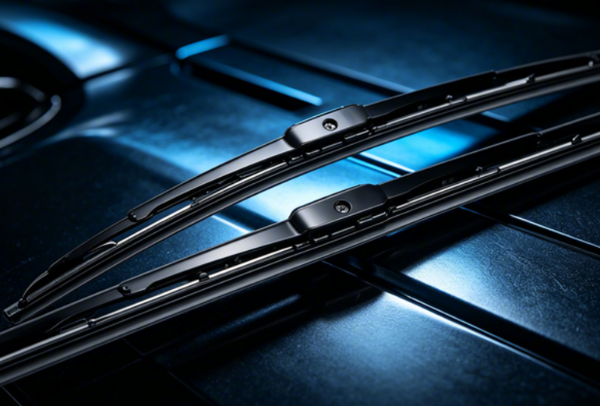
Custom Wiper Blades are developed around specific vehicle needs rather than being treated as a general replacement product. The customization can involve the blade structure, wiping element, connector, frame, appearance, packaging, or overall fit.
The idea is not simply to make a wiper look different. The main purpose is to create a blade that works with a particular vehicle or a particular market requirement.
As automotive replacement products continue to become more application-focused, custom wiper development has become an important part of the wiper blade industry.
What Are Custom Wiper Blades?
Wiper Blades are windshield wipers designed or modified for a particular application. The application may be connected to a vehicle model, a specific wiper arm, a particular windshield shape, or a buyer's product requirements.
A conventional replacement blade may be designed to cover a broad group of vehicles. A custom blade takes a more specific approach. Its design can be adjusted around the way a particular vehicle's wiper system operates.
The customization can happen at different levels. Some projects may only require a suitable connector. Others may involve changes to the blade structure, wiping material, appearance, or packaging.
For an automotive parts buyer, this distinction matters. A blade can have the correct general appearance but still fail to connect properly with the vehicle. The connection between the blade and the wiper arm is an important part of fitment. Different vehicles can use different connection arrangements.
Wiper Blades therefore focus on compatibility as much as appearance. The goal is to make the blade function as part of the vehicle's existing wiping system.
How Do Custom Wiper Blades Work?
The basic working process of a Custom Wiper Blade is similar to that of other windshield wipers.
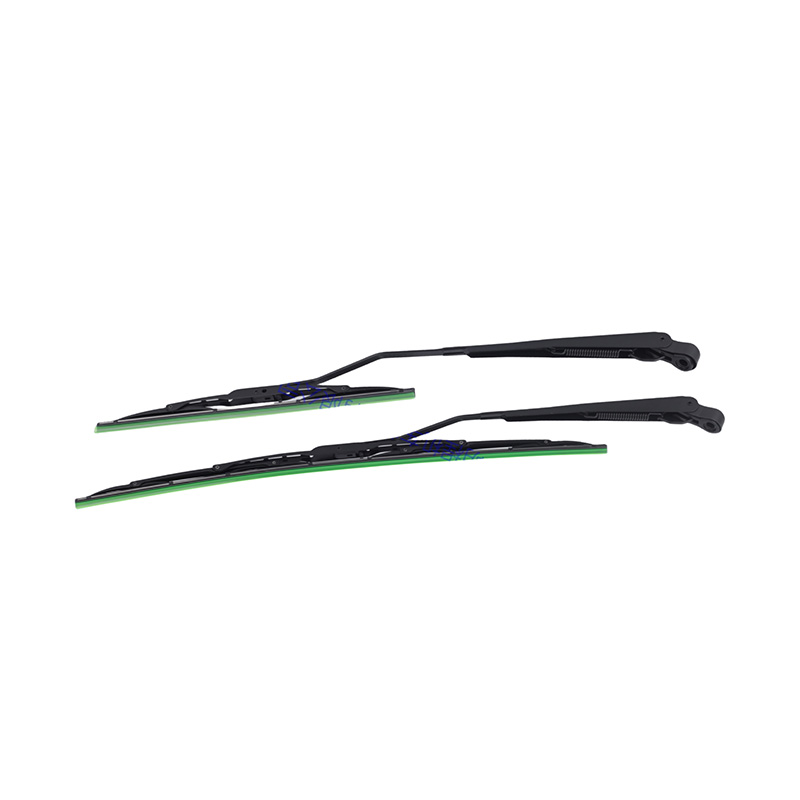
The vehicle's wiper system moves the arm back and forth across the windshield. The blade is attached to the arm through a suitable connector. As the arm moves, the blade follows the surface of the glass.
The wiping element touches the windshield and moves across it. Its flexible edge helps remove water and other surface moisture. The supporting structure helps the blade maintain contact as it travels across the curved surface.
A custom design begins to differ when the blade is developed around a particular vehicle.
The shape of the blade can be considered together with the windshield. The connector can be selected to match the wiper arm. The supporting structure can be arranged to follow the intended movement of the arm.
The result is a product designed as a complete part of a vehicle application rather than as an isolated piece of rubber and plastic.
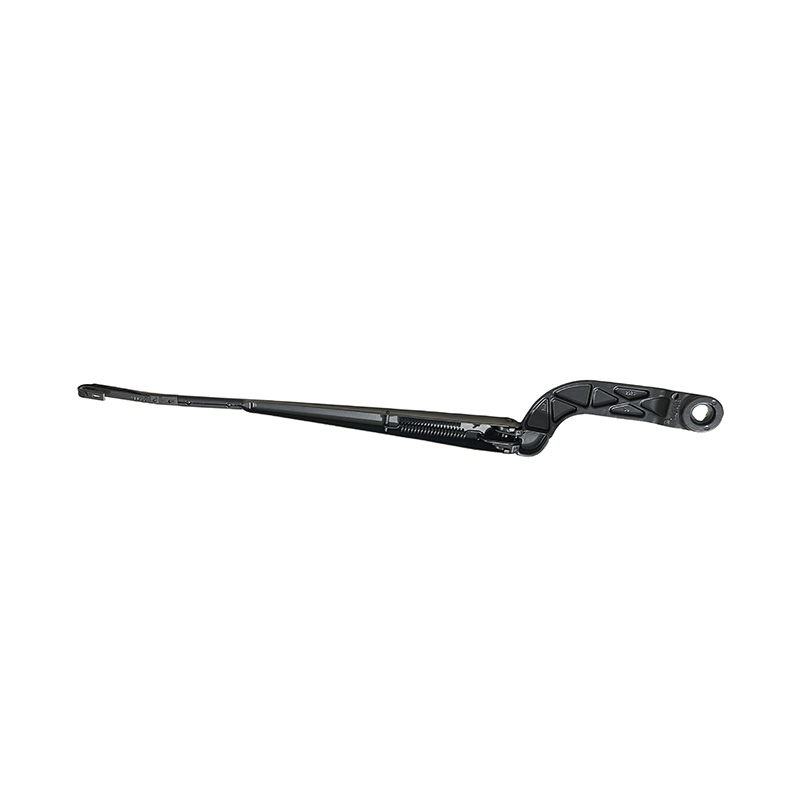
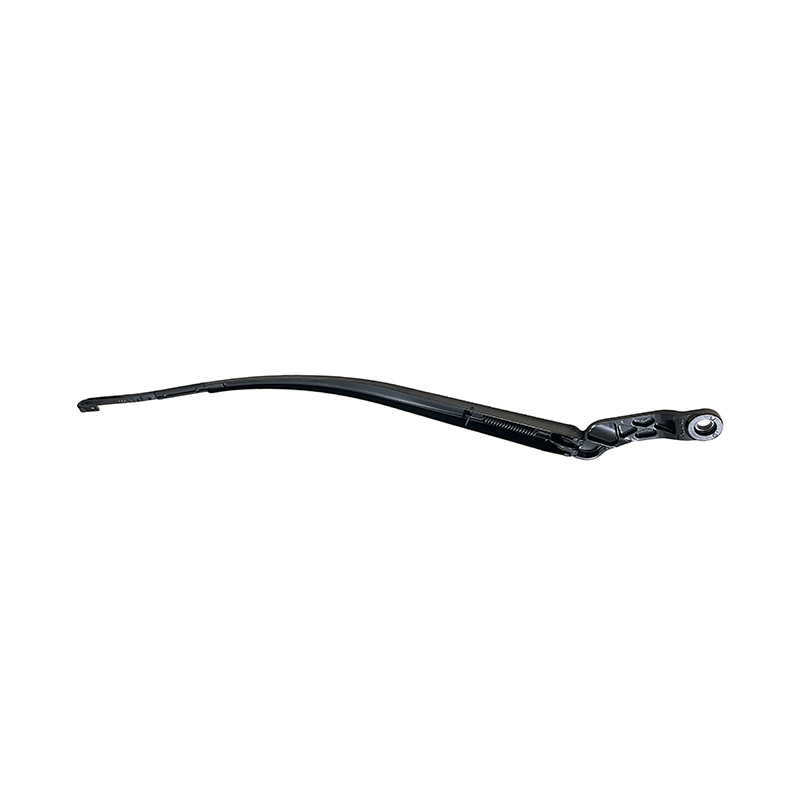
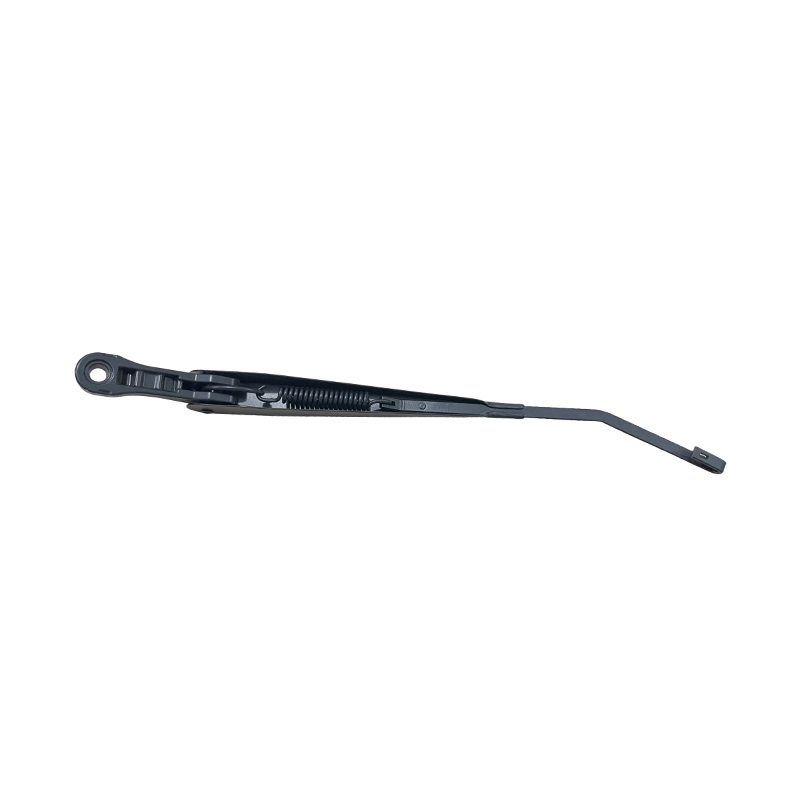
The wiper arm itself also plays a role. It carries the blade and provides the movement needed for wiping. Its shape and pressure affect how the blade sits against the glass. This is why custom blade development normally considers the relationship between the blade and the existing wiper system.
Why Do Vehicles Need Custom Wiper Blades?
Vehicle design is not identical from one model to another. Windshields have different shapes. Wiper arms can use different attachment methods. The available space around the windshield can also vary.
These differences create practical requirements for replacement wipers.
A blade that is too long may interfere with another blade or another part of the vehicle. A blade that is too short may leave part of the intended wiping area untouched. An unsuitable connector may not lock correctly onto the arm.
Wiper Blades can address these differences during the design stage.
This is particularly useful when a buyer needs coverage for a specific group of vehicles. Instead of treating all applications as the same, the manufacturer can develop the blade around the actual vehicle requirements.
Custom products can also be useful for vehicles with less common wiper arrangements. A specialized vehicle may require a connector or blade structure that is not widely available in standard replacement products.
The need for customization therefore comes from the variety of vehicle designs. Wiper systems are part of the overall vehicle structure, so their design has to work within the space and movement available around the windshield.
What Parts of a Wiper Blade Can Be Customized?
Customization can cover more than one component.
The wiping element is one area. Buyers may have preferences regarding the material or design used for the part that contacts the glass. The supporting structure is another area. Different blade structures can be developed to follow different windshield shapes.
The connector is also important. It creates the physical connection between the blade and the vehicle's wiper arm. If the connector does not match the arm, the blade may not install correctly.
Other possible customization areas include the outer appearance, protective components, end pieces, packaging, and product labeling.
A custom project can therefore involve several elements at the same time.
| Custom Area | What It Relates To | Why It Matters |
| Wiping element | Contact with the windshield | Supports water removal |
| Supporting structure | Blade movement and glass contact | Helps the blade follow the windshield |
| Connector | Connection to the wiper arm | Supports correct installation |
| Outer design | Product appearance | Creates a specific visual identity |
| Packaging | Product presentation and protection | Supports distribution and retail needs |
| Product labeling | Market identification | Helps distinguish different applications |
Not every project requires changes to every part. The level of customization depends on the application and the buyer's requirements.
This flexible approach is one reason custom manufacturing can serve different sections of the automotive aftermarket.
How Are Custom Wiper Blades Designed for Different Vehicles?
Vehicle fit is usually at the center of a custom wiper project.
The manufacturer needs to understand how the blade will connect to the vehicle. The wiper arm connection must be considered together with the blade position and movement. The windshield shape also influences how the blade should follow the glass.
A design may begin with information about the target vehicle. The manufacturer can then determine which parts of an existing blade design can be used and which parts need to be changed.
Some projects may be based on an existing blade platform. If the basic structure already suits the application, customization may focus on the connector or other components.
Other projects may require a more substantial redesign.
The design process can include several practical steps:
- Identify the target vehicle application.
- Confirm the wiper arm connection.
- Study the blade position and movement.
- Consider the windshield shape.
- Select suitable blade materials.
- Develop or adjust the supporting structure.
- Check installation and wiping behavior.
- Prepare the final production design.
This process helps reduce the risk of treating vehicle fit as an afterthought.
Industry manufacturing guidance also identifies vehicle fitment, connector confirmation, structural design, material selection, testing, and inspection as important parts of OEM and ODM wiper projects.
How Do Custom Wiper Blades Maintain Contact With the Windshield?
A wiper blade cannot simply move across the windshield. It needs to remain in contact with the glass while following its shape.
Windshields are curved surfaces. As the blade moves, different sections of the blade travel through different parts of that curve. The supporting structure helps distribute pressure along the blade so the wiping edge can remain against the glass.
This is one reason the structure of a Custom Wiper Blade matters.
A flexible design can allow the blade to follow the windshield more naturally. A different supporting arrangement may be selected for another vehicle application.
The wiping element also needs to remain flexible enough to move with the supporting structure. When the blade changes direction, the wiping edge moves across the glass in the opposite direction.
The process may look simple from outside the vehicle. Inside the system, several parts are working together.
The wiper arm provides movement. The connector keeps the blade attached. The supporting structure helps the blade follow the glass. The wiping element makes direct contact with the windshield.
When these parts work together, the blade can move across the intended area of the windshield.
What Materials Are Used in Custom Wiper Blades?
Material selection is another part of custom wiper development.
The wiping element is commonly made from a flexible material that can maintain contact with the glass. Rubber and silicone-based wiping elements are both found in the wiper market, with different designs developed for different product requirements.
The supporting structure may use metal or polymer components, depending on the blade design. Protective covers and other outer components can also use different materials.
For a custom project, material selection is not simply about choosing something that looks suitable. The material needs to work with the movement of the blade and the conditions in which the vehicle is used.
A buyer may also have specific requirements for product appearance or market positioning. In that case, material selection can become part of the overall product design.
A custom wiper manufacturer may therefore consider several questions:
- What material is suitable for the wiping edge?
- How should the supporting structure behave during movement?
- Which materials suit the target vehicle?
- How should the blade handle normal outdoor exposure?
- Does the material fit the intended product design?
- Can the selected materials be produced consistently?
These decisions connect product design with manufacturing.
How Are Custom Wiper Blades Manufactured?
Once the design is confirmed, the custom wiper blade moves into production.
Manufacturing normally involves several stages. Components are prepared according to the approved design. The wiping element and supporting parts are produced. Connectors and other components are prepared for assembly.
The individual pieces are then brought together.
Assembly needs to be consistent because a small difference in the connector or blade structure can affect installation. The wiping element also needs to sit correctly within the supporting structure.
Inspection is part of this process. Manufacturers may check the appearance, assembly condition, connector fit, and wiping behavior before the product is prepared for shipment.
Custom projects can also require product samples before regular production begins. This gives buyers and manufacturers an opportunity to check whether the design matches the intended vehicle application.
For OEM and private-label projects, customization can continue beyond the physical blade. Packaging, labeling, product presentation, and replacement instructions may also be developed around the buyer's requirements.
This makes Custom Wiper Blades more than a simple replacement component. They can become a complete product project involving design, manufacturing, fitment, inspection, and presentation.