English
 Português
 Español
 عربى
عربىRear visibility can change quickly when rain, road spray, dust, or dirt builds up on a vehicle's rear window. For vehicles equipped with a rear wiper, the cleaning action may look simple. A blade moves across the glass, clears moisture, and returns to its resting position.
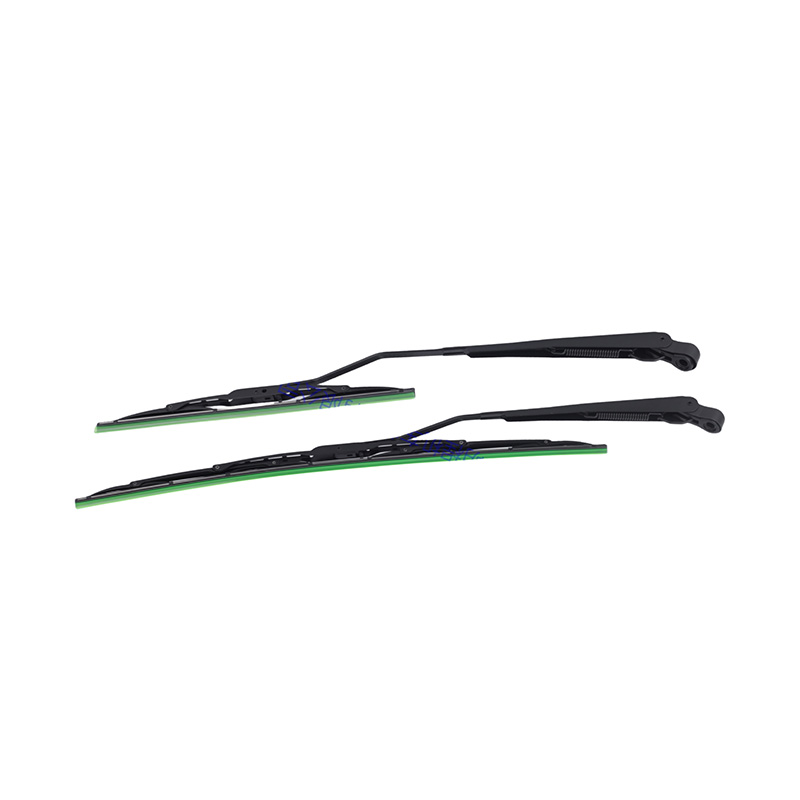
Behind that movement, however, are two closely related parts: the Car Rear Wiper Arm and the rear wiper blade.
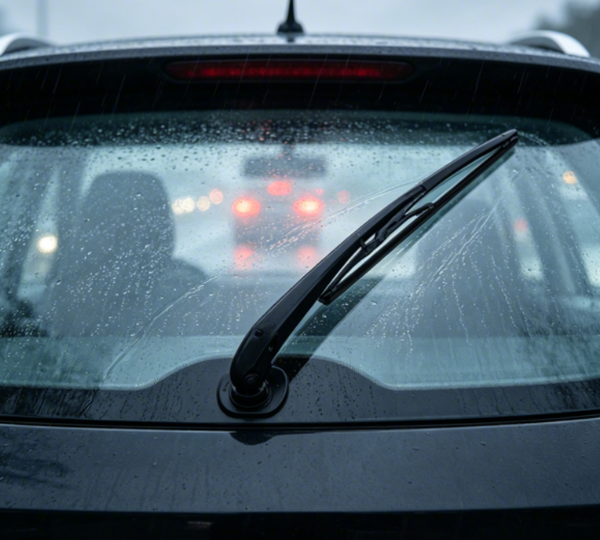
The blade is the part that makes direct contact with the glass. The arm supports the blade and moves it across the window. Neither part works in isolation. Their connection determines how movement is transferred and how consistently the blade stays against the glass.
Understanding this relationship can help explain why a rear wiper sometimes leaves wet areas, moves unevenly, or makes unusual sounds. It also shows why replacing a blade does not always address every rear wiper problem.
What Role Does the Car Rear Wiper Arm Play?
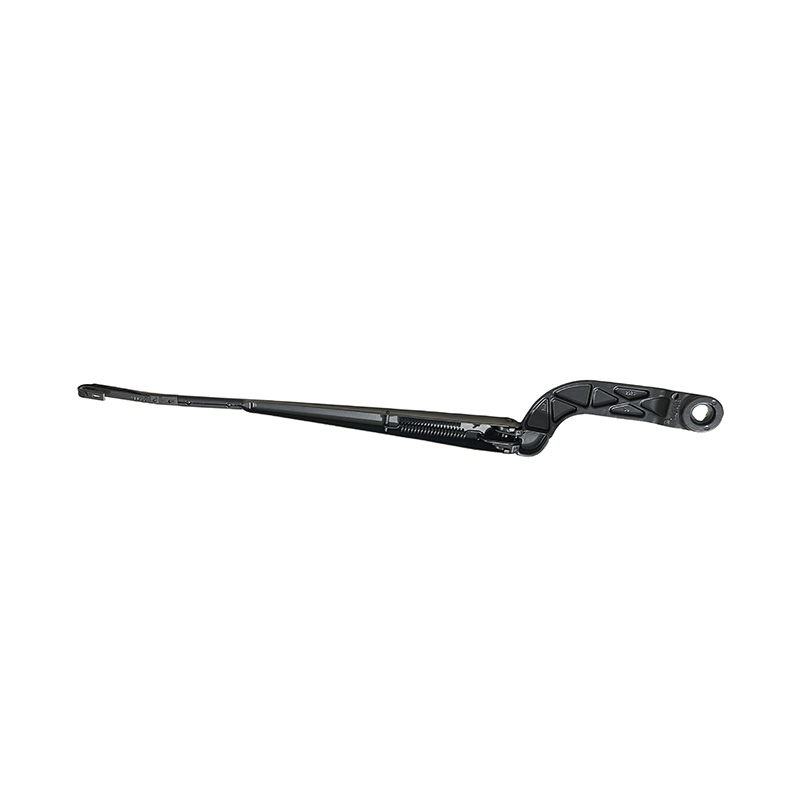
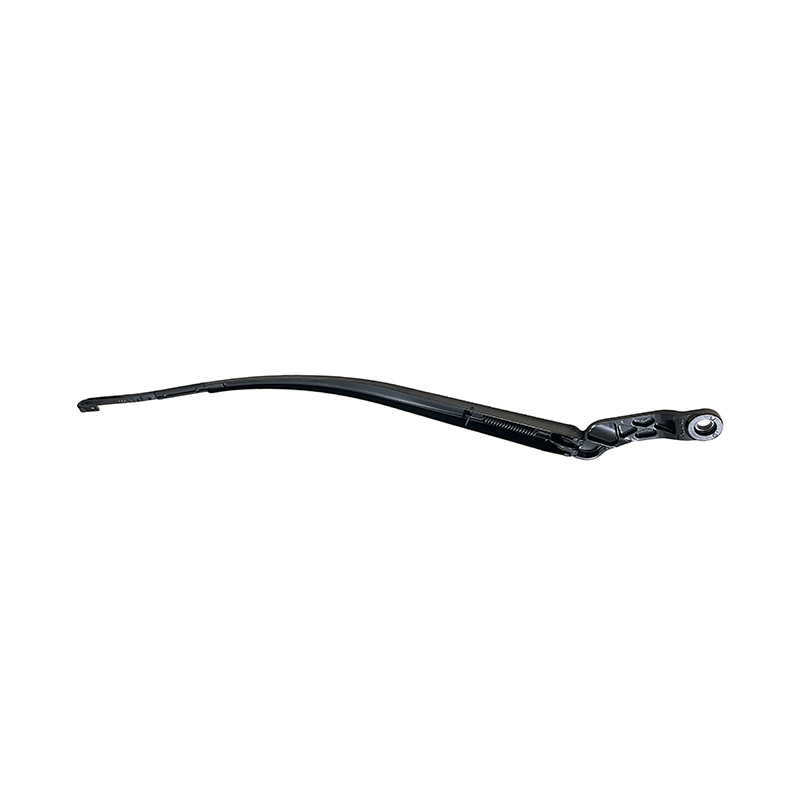
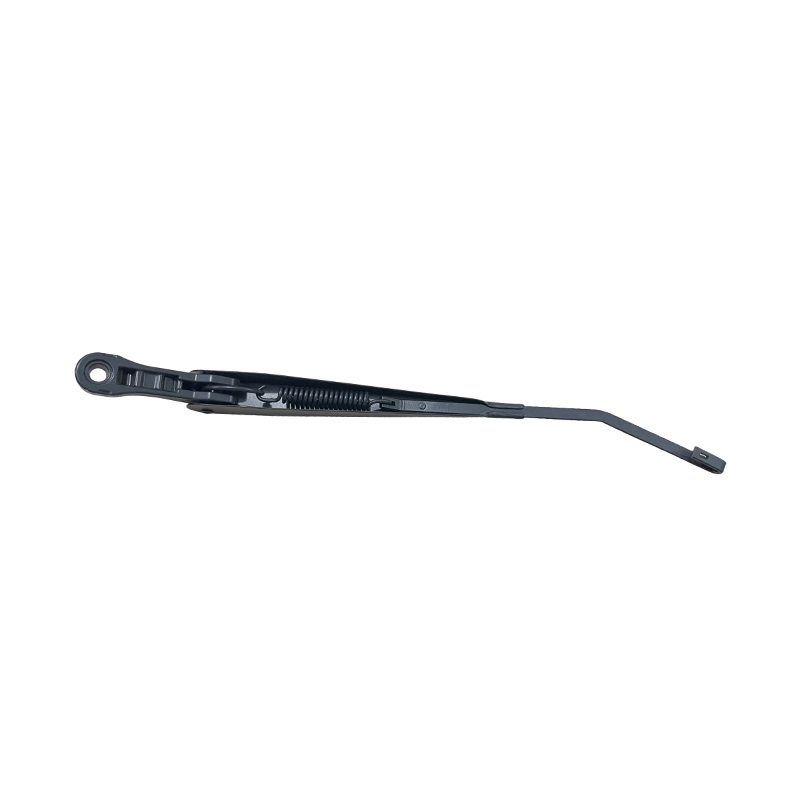
The Car Rear Wiper Arm is the moving support between the vehicle's wiper system and the rear wiper blade. It holds the blade in position and guides its movement across the rear window.
When the rear wiper system is activated, the arm moves through a controlled path. The blade follows that movement. As the arm changes direction, the blade changes direction with it.
The arm therefore has several practical roles:
- It holds the rear wiper blade.
- It transfers movement to the blade.
- It helps maintain contact between the blade and glass.
- It controls the blade's position during movement.
- It returns the blade to its resting area when the wiping cycle ends.
The arm may seem like a simple metal or composite support. Its position is important, though. If it sits incorrectly, the blade may not travel across the glass as intended.
The connection between the arm and blade also matters. A secure connection allows the blade to follow the arm smoothly. A poor connection can create movement that feels loose or inconsistent.
This is why the rear wiper should be viewed as a small working system rather than as a single replacement part.
How Does the Rear Wiper Arm Move the Blade?
The basic process starts when the vehicle's rear wiper system is switched on.
A motor creates movement within the wiper mechanism. That movement reaches the Car Rear Wiper Arm. The arm then moves across the rear window.
The blade is attached to the arm, so it follows the same general motion.
The process can be described simply:
- The rear wiper system receives an operating command.
- The motor creates movement.
- The movement is transferred to the rear wiper arm.
- The arm travels across the rear window.
- The attached blade follows the arm.
- The blade passes over the glass and moves moisture or debris away.
- The arm changes direction and returns through its wiping path.
- The system eventually returns the arm to its resting position.
The arm does not clean the glass itself. Its job is to position and move the blade.
The blade performs the cleaning action because its wiping edge touches the glass. As the arm moves, the blade is carried across the surface.
This relationship is similar to a hand moving a cleaning tool across a window. The hand provides movement and control, while the cleaning edge performs the actual surface contact.
Why Must the Car Rear Wiper Arm and Blade Work Together?
A rear wiper blade needs more than movement. It also needs suitable contact with the rear glass.
The Car Rear Wiper Arm helps provide that contact by supporting the blade as it moves. The arm's position and movement influence how the blade sits against the window.
If the arm is positioned properly, the blade can follow the glass more consistently. If the arm is bent, loose, incorrectly installed, or otherwise damaged, the blade may not behave as expected.
Several symptoms can appear when the relationship between the two parts is affected:
| Rear Wiper Behavior | Possible Area to Check |
| Uneven wiping | Blade condition and arm position |
| Parts of the glass remain wet | Blade contact and wiping path |
| Blade movement feels unstable | Arm or blade connection |
| Unusual wiping sound | Blade condition, glass surface, or arm contact |
| Blade does not return correctly | Arm position or wiper mechanism |
| Wiper appears loose | Arm connection or mounting area |
These signs do not always point to one specific cause. A worn blade can create a poor wiping result even when the arm is working normally. Likewise, a damaged arm can create problems even after a new blade has been installed.
Looking at both components can provide a clearer picture.
How Does the Arm Keep the Blade Against the Rear Window?
The rear window is not simply a flat surface. Its shape varies from vehicle to vehicle. Some rear windows are relatively upright, while others have a more curved profile.
The Car Rear Wiper Arm needs to guide the blade across the available wiping area while allowing the blade to remain in contact with the glass.
The arm provides support from above the blade. The blade then follows the window surface as the arm moves.
This is where the connection between the two parts becomes important.
A blade that is securely attached can follow the arm's movement. The arm provides the larger movement, while the blade adapts to the glass during wiping.
The goal is not to press the blade aggressively against the window. Instead, the system needs controlled contact. Too little contact can leave moisture behind. Poor movement can also create missed areas.
The condition of the glass matters as well. Dirt and other surface contamination can affect how the blade moves. A blade may appear to have a problem when the actual issue is a dirty window.
For this reason, rear wiper performance is influenced by several related conditions rather than by the blade alone.
What Happens When the Rear Wiper Blade Is Attached to the Arm?
The attachment point creates the physical connection between the Car Rear Wiper Arm and the rear wiper blade.
The exact attachment style can vary between vehicle designs. Some systems use a simple connection that allows the blade to be removed and replaced. Others use a more vehicle-specific arrangement.
Regardless of the design, the purpose is similar. The connection must hold the blade securely while allowing the arm to move it across the glass.
A secure attachment provides several benefits during normal operation:
- The blade follows the arm's movement.
- The blade remains in its intended position.
- Movement is less likely to feel loose.
- The wiping path remains more consistent.
- The blade can return with the arm after each movement.
A weak or incorrect connection can change the way the blade behaves.
For example, the arm may move while the blade does not follow it correctly. The blade could shift position or create uneven contact with the glass. In some cases, the problem may be visible before the wiper is even switched on.
That makes the connection worth checking whenever a rear wiper shows unusual behavior.
How Can You Tell Whether the Arm or Blade Is Causing the Problem?
This is one of the more practical questions for vehicle owners and maintenance professionals.
The two parts work together, but they do not wear in exactly the same way.
The rear wiper blade is exposed directly to the glass and weather. Its wiping edge can gradually become less effective. The Car Rear Wiper Arm, meanwhile, is responsible for support and movement.
A simple visual inspection can provide useful clues.
Look at the blade while the wiper is switched off. Does it sit evenly against the rear glass? Does the arm appear properly positioned? Is the blade securely attached?
Then consider what happens during operation.
If the arm moves normally but the blade leaves clear streaks or patches, the blade may need attention. If the arm itself appears loose, sits at an unusual angle, or does not follow its normal path, the arm or its mounting area deserves closer inspection.
A useful distinction is:
Blade-related concerns often involve wiping quality.
Arm-related concerns often involve movement, position, or support.
The two can overlap, so this distinction is not a substitute for proper inspection.
| What You Notice | What It May Suggest |
| Streaks across the glass | Blade condition |
| Water remains in certain areas | Blade contact or wiping coverage |
| Arm appears loose | Arm or mounting issue |
| Blade shifts during movement | Blade connection or arm movement |
| Arm sits incorrectly when parked | Arm position or mechanism |
| New blade still wipes poorly | Arm position, glass condition, or another part of the system |
This approach can prevent unnecessary part replacement. Changing the blade may not solve a problem caused by the arm.
Should the Car Rear Wiper Arm Be Replaced With the Blade?
Not necessarily.
The arm and blade are separate components, even though they work as a pair. Their replacement needs can therefore be different.
A rear wiper blade may need replacement because its wiping edge has become worn. The arm may remain usable.
On the other hand, an arm may become damaged or lose its correct position while the blade is still relatively usable. In that situation, replacing only the blade may not address the underlying issue.
The decision should depend on the condition of each component.
When inspecting the system, pay attention to:
- The condition of the wiping edge.
- The position of the arm.
- The connection between arm and blade.
- The movement of the arm.
- The way the blade contacts the glass.
- The condition of the rear window.
This broader view is particularly useful because a rear wiper problem can involve more than one part.
For maintenance operations, the objective is not simply to replace a component. It is to restore the intended relationship between the moving arm, the blade, and the rear glass.
How Is the Car Rear Wiper Arm Important for Rear Visibility?
The rear wiper has a practical role that becomes noticeable when weather conditions reduce visibility.
Rain can create a film of water on the rear window. Road spray can add dirt. Dust can accumulate on the glass when the vehicle is parked. During changing weather, these conditions can appear quickly.
The rear wiper helps remove this material from the area covered by its wiping path.
The blade performs the direct cleaning. The Car Rear Wiper Arm determines how that blade moves across the window.
That makes the arm an important part of the overall system, even though it receives less attention than the blade.
The distinction is easy to understand:
The arm moves.
The blade wipes.
The rear glass provides the surface.
When these three elements work together properly, the rear wiper can move through its intended path and help maintain a clearer rear window.
This also explains why a small arm can have a visible effect on everyday driving. Its function is not dramatic, but its position, movement, and connection to the blade all influence what happens on the glass.
As vehicle designs continue to vary, rear wiper systems also take different forms. Yet the basic relationship remains familiar: the Car Rear Wiper Arm provides the movement and support, while the rear wiper blade turns that movement into a wiping action across the rear window.